
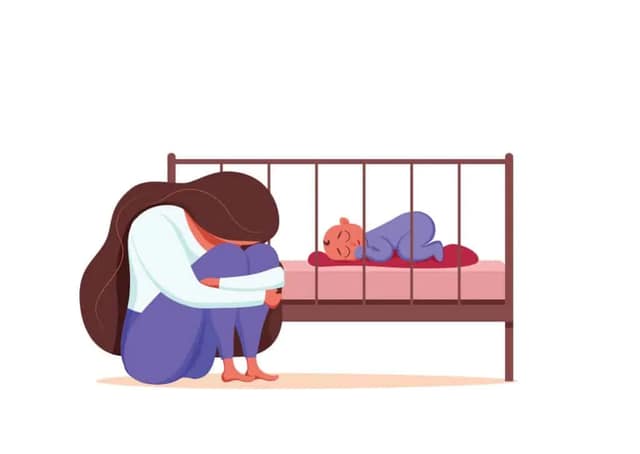
Understanding the Baby Blues After Giving Birth
You just gave birth to your beautiful baby, and instead of feeling thrilled as you expected, you find yourself crying, irritable, and sad. Add fatigue, anxiety, anger, and mood swings to the mix, and there you have it: you have the baby blues.
The baby blues are a mild, short-lasting emotional dip that affects most new mothers in the first days after delivery. They typically start around day 2 or 3 postpartum and resolve on their own within two weeks, without any medical treatment.
Most mothers keep these feelings to themselves. Therefore, you may think that none of your friends went through what you are experiencing, which only reinforces isolation and guilt. However, you are absolutely not alone — this is one of the most common experiences in early motherhood, especially for first-time mothers.
Ready to start your project?
Join +450,000 members who find their co-parent or sperm donor
Start free✓ Free ✓ No commitment ✓ Verified
What Are the Baby Blues Exactly?
According to the American College of Obstetricians and Gynecologists (ACOG), the baby blues are normal feelings of sadness, fear, anger, or anxiety that start about 3 days after childbirth and usually get better within 1 to 2 weeks without any treatment.
Up to 85% of new mothers experience this emotional shift. It is so common that most perinatal professionals consider it a normal part of postpartum recovery rather than a medical condition. In contrast, clinical postpartum depression affects around 1 in 7 women and requires treatment.
Why Do Women Get the Baby Blues?
The exact cause is still debated, but several factors come together in the same critical window.
First, hormones shift dramatically. Estrogen and progesterone drop sharply within the first 24 hours after delivery, from pregnancy highs to near-zero levels. This hormonal cliff affects neurotransmitters linked to mood regulation.
Second, postpartum fatigue sets in. Sleep is fragmented, recovery from labor and delivery takes time, and the baby needs care every few hours. Moreover, breastfeeding challenges, soreness, and night wakings compound physical exhaustion.
Finally, emotional adjustment plays a huge role. You are expected to bond instantly, feed perfectly, and feel pure joy. In reality, identity shifts, body image concerns, and worries about your relationship with your partner all show up at once. Consequently, mood swings are almost inevitable.
What Are the Symptoms of the Baby Blues?
The baby blues typically appear between day 2 and day 5 after delivery and resolve within 10 to 14 days. Symptoms come and go, sometimes within the same hour.
Common signs include:
- Unexpected crying spells for no clear reason
- Mood swings (happy one minute, tearful the next)
- Irritability, impatience, or anger
- Restlessness and anxiety
- Sadness or feelings of loneliness
- Difficulty sleeping, even when the baby sleeps
- Fatigue and trouble concentrating
- Feeling overwhelmed
Importantly, the baby blues do not prevent you from taking care of yourself or your baby. If symptoms stop you from functioning, worsen over time, or last beyond two weeks, you may be dealing with postpartum depression instead.
Baby Blues vs. Postpartum Depression: Key Differences
These two conditions are often confused, yet they require very different responses. The table below highlights the main differences.
| Feature | Baby blues | Postpartum depression |
|---|---|---|
| Onset | Day 2–5 after birth | Anytime in the first year, often weeks 1–3 |
| Duration | Up to 2 weeks | More than 2 weeks, often months |
| Prevalence | Up to 85% of mothers | About 1 in 7 (14%) |
| Intensity | Mild, fluctuating | Persistent, severe |
| Impact on daily life | None or minimal | Interferes with self-care and baby care |
| Treatment | None needed | Therapy, medication, or both |
According to the National Institute of Mental Health on perinatal depression, feelings of anxiety or unhappiness that are severe or last longer than 2 weeks after childbirth may be signs of postpartum depression, which generally will not improve without treatment.
How to Cope with the Baby Blues Day by Day
The baby blues pass on their own, but a few habits make those two weeks much easier. Here is a practical plan you can follow starting today.
1. Talk About How You Feel
Silence makes everything worse. Tell your partner, your co-parent, your mother, a close friend, or your doula. Hiring a birth doula can also help, since many offer postpartum follow-up visits.
2. Say Yes to Help
If someone offers to cook, fold laundry, hold the baby, or do groceries, accept without guilt. Moreover, a hot meal and a 45-minute nap can completely reset your mood. For single mothers, building a reliable support network is essential — our guide on finding support as a single mother offers practical tips.
3. Prioritize Sleep Whenever Possible
Sleep deprivation amplifies every emotion. Nap when the baby naps, even for 20 minutes. Alternate night feedings with your partner or co-parent if you are bottle-feeding or pumping.
4. Eat Regularly and Drink Water
Blood sugar crashes feel exactly like anxiety and sadness. Keep snacks nearby — nuts, fruit, cheese, yogurt, whole-grain crackers. Hydration matters too, especially if you are breastfeeding (aim for 2.5 to 3 liters of fluid per day).
5. Get Outside Every Day
A 20-minute walk with the stroller or a coffee on a bench works wonders. Sunlight boosts serotonin, fresh air clears mental fog, and gentle movement releases endorphins.
6. Lower the Bar
There is no such thing as perfect motherhood. Your baby needs a present, safe parent, not a flawless one. Therefore, a messy living room and takeout dinner are completely acceptable during the fourth trimester. Reading about what it really feels like to become a mother can help you set realistic expectations.
7. Treat Yourself
A hot shower, a clean change of clothes, a professional massage, a video call with a friend, ordering your favorite meal — small pleasures matter. You just birthed a human being.
When Should You Worry and Call Your Doctor?
The baby blues become a red flag when they do not lift. Contact your healthcare provider if you notice any of the following warning signs:
- Sadness, emptiness, or hopelessness lasting more than 2 weeks
- Loss of interest in activities you normally enjoy
- Severe anxiety, panic attacks, or intrusive thoughts
- Trouble bonding with your baby
- Inability to sleep even when exhausted, or sleeping far too much
- Thoughts of harming yourself or your baby
- Hallucinations, confusion, or strange behavior (postpartum psychosis — a medical emergency)
If you experience thoughts of self-harm or harming your baby, call 911 or go to the nearest emergency room immediately. In the United States, you can also call or text the National Maternal Mental Health Hotline at 1-833-9-TLC-MAMA (1-833-852-6262), available 24/7 in English and Spanish.
Frequently Asked Questions About the Baby Blues
How long do the baby blues last?
The baby blues usually last between a few days and two weeks. Most mothers feel significantly better by day 10 to 14 postpartum. If symptoms persist beyond two weeks or worsen, talk to your healthcare provider.
Are the baby blues the same as postpartum depression?
No. The baby blues are mild, temporary, and affect up to 85% of new mothers. Postpartum depression is more severe, lasts longer than two weeks, affects about 1 in 7 mothers, and requires professional treatment.
Can partners or co-parents experience the baby blues too?
Partners do not experience the hormonal baby blues in the same way, but they can feel overwhelmed, exhausted, anxious, or low after a baby arrives. About 1 in 10 fathers develop paternal postpartum depression in the first year. If you are raising your child together, our article on how to be a good co-parent can help you share the load.
Can I prevent the baby blues before giving birth?
You cannot fully prevent the baby blues, but you can soften them. Prepare a postpartum support plan, line up help for the first two weeks, stock the freezer, discuss night shifts with your partner, and stay connected to people who understand. Exploring options like finding a sperm donor or a co-parent through a trusted community can also include building support relationships well before birth.
Will the baby blues affect breastfeeding?
Usually not. The baby blues rarely interfere with feeding. However, sleep deprivation and stress can affect milk supply. If you are struggling, a lactation consultant can help you protect both feeding and mental health.
Building Your Family with Support from CoParents
Whether you are a solo mom-to-be, a co-parent, or a couple expanding your family through donor conception, surrounding yourself with a caring community makes postpartum life easier. Connect with other future and new parents and create your free CoParents account to find support, share stories, and meet people on the same journey.