
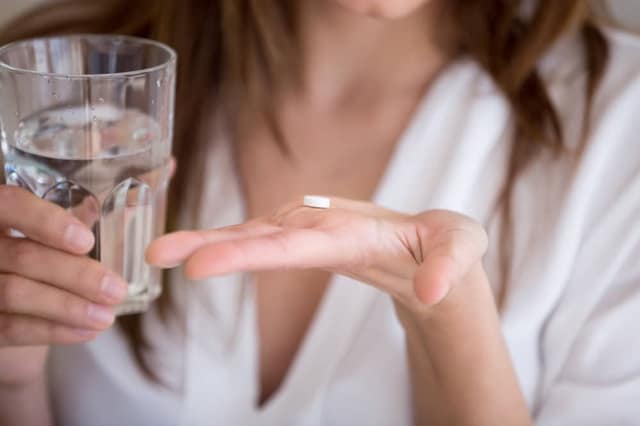
If you have ever taken the morning after pill and are now wondering about your morning after pill fertility outlook, the answer from medical science is clear and reassuring: emergency contraception does not affect your ability to get pregnant in the future. Whether you took Plan B once or multiple times, the medication leaves your body within days and has no lasting impact on your reproductive health. According to the Cleveland Clinic, emergency contraception is safe and effective and will not harm your chances of getting pregnant in the future.
This is one of the most common concerns among women planning to conceive, and it is fueled by widespread misinformation online and in the media. A review published in the Bulletin of the World Health Organization found that media coverage has incorrectly claimed that emergency contraception causes infertility and even increases cancer risk, statements that are factually incorrect according to every major health organization. If you are now trying to have a baby, whether with a partner, a sperm donor, or through co-parenting, understanding the real relationship between morning after pill fertility and your future conception is important.
What Is the Morning After Pill and How Does It Work?
The morning after pill is an emergency contraceptive designed to prevent pregnancy after unprotected sex or a contraception failure. The most common form, Plan B One-Step, contains 1.5 milligrams of levonorgestrel, a synthetic form of the hormone progesterone. It works primarily by delaying or inhibiting ovulation, preventing the release of an egg so that fertilization cannot occur. According to the National Library of Medicine, levonorgestrel does not end an existing pregnancy and cannot cause a miscarriage or abortion.
Ready to start your project?
Join +450,000 members who find their co-parent or sperm donor
Start free✓ Free ✓ No commitment ✓ Verified
There are several reasons you might have needed emergency contraception: a condom broke or slipped off, you missed two or more birth control pills during your cycle, no contraception was used during intercourse, or your diaphragm was out of position. The morning after pill is most effective when taken as soon as possible after unprotected sex. When taken within 24 hours, it reduces the risk of pregnancy by up to 95%. Within 72 hours, effectiveness drops to about 89%. A different emergency contraceptive called ella (ulipristal acetate) can be taken up to five days after unprotected sex and maintains higher effectiveness over that longer window.
It is important to understand that the morning after pill is not the same as a regular birth control pill. It delivers a single, larger dose of hormones designed for emergency use only. It is not intended as a routine method of contraception, which is why understanding morning after pill fertility concerns matters for women who plan to conceive in the future.
Does the Morning After Pill Affect Fertility?
No. The evidence is unequivocal: morning after pill fertility is not affected by taking Plan B or any other levonorgestrel-based emergency contraceptive, even if you have used it multiple times. A comprehensive review of 33 studies published in the journal Contraception found no evidence that levonorgestrel emergency contraception affects implantation, fetal development, miscarriage rates, or fertility in subsequent menstrual cycles. The medication clears your system within days, and your normal ovulation cycle resumes in the following month.
The World Health Organization, the American College of Obstetricians and Gynecologists, and the International Federation of Gynecology and Obstetrics all confirm that emergency contraception does not cause infertility. If you are having difficulty conceiving, it is not because of the morning after pill. Other factors, such as age, underlying health conditions, hormonal imbalances, or male factor infertility, are far more likely to be the cause. If you are trying to get pregnant and experiencing difficulties, consult a fertility specialist.
What Are the Side Effects of the Morning After Pill?
While morning after pill fertility is not a concern, the medication can cause short-term side effects in some women. These are generally mild and resolve within a day or two. Common side effects include:
- Nausea and vomiting — the most frequently reported side effect
- Headache and fatigue
- Abdominal pain and cramping
- Breast tenderness
- Dizziness
- Irregular bleeding or spotting
- Your next period may arrive earlier or later than expected
If you vomit within two hours of taking the pill, you may need to take another dose. Contact your doctor or pharmacist for guidance. These side effects are temporary and have no connection to your long-term morning after pill fertility outlook.
Can You Take the Morning After Pill More Than Once?
Yes, you can take Plan B more than once, and doing so does not affect your morning after pill fertility in the long term. There is no medical limit on how many times you can use emergency contraception. However, this is a common source of morning after pill fertility anxiety, so it is worth restating: repeated use has no impact on your reproductive system. The hormone dose is higher than in daily contraceptive pills, and relying on it repeatedly is less effective and more expensive than using consistent contraception like the pill, an IUD, or an implant.
If you find yourself needing emergency contraception frequently, it is worth having a conversation with your doctor about a more reliable long-term contraceptive method. Options include copper IUDs (which can also serve as emergency contraception if inserted within five days of unprotected sex), hormonal IUDs, contraceptive implants, and daily birth control pills.
Morning After Pill Fertility and Trying to Conceive
If you have taken the morning after pill in the past and are now ready to start a family, your morning after pill fertility is exactly the same as it would have been without the medication. Your ovulation cycle returns to normal within one to two cycles, and there is no residual effect on your eggs, uterus, or hormonal balance.
For women who are planning to conceive through assisted reproduction, whether through home insemination, IUI at a clinic, or IVF, prior use of emergency contraception is not a factor that fertility specialists consider when evaluating your reproductive health. It simply does not affect your chances.
On CoParents.com, a co-parenting and sperm donation platform with over 150,000 users since 2008, many women who previously used emergency contraception go on to conceive successfully through donor insemination or co-parenting arrangements. If you have any concerns about your fertility, a preconception check-up with your doctor is always a good idea, not because of the morning after pill, but because it is smart planning for any future pregnancy.
What Are the Alternatives to Emergency Contraception?
If you are not currently trying to conceive and want to avoid needing the morning after pill in the future, several reliable contraceptive options are available. Talk to your doctor about which method suits your lifestyle and health profile. The most effective options include:
- Copper IUD — over 99% effective and can last up to 10 years
- Hormonal IUD — over 99% effective, lasting 3 to 7 years depending on the brand
- Contraceptive implant — over 99% effective for up to 3 years
- Daily birth control pills — over 91% effective with typical use
- Condoms — around 87% effective with typical use, and the only method that also protects against STIs
Using consistent, long-term contraception eliminates the need for emergency backup and gives you peace of mind about both morning after pill fertility concerns and unplanned pregnancy risk.
Frequently Asked Questions About Morning After Pill Fertility
Will Plan B affect my ability to get pregnant in the future?
No. There is no scientific evidence that Plan B or any other levonorgestrel-based emergency contraceptive affects future fertility. The medication leaves your body within days, and your normal ovulation cycle resumes shortly after. Morning after pill fertility concerns are based on myths, not medical evidence.
Can taking the morning after pill multiple times cause infertility?
No. Taking emergency contraception more than once does not cause infertility or reduce your chances of conceiving in the future. While it is not recommended as a routine contraceptive method, repeated use does not damage your reproductive system.
How soon after taking Plan B can I get pregnant?
You can potentially become pregnant during your very next menstrual cycle after taking Plan B. Ovulation typically returns within one to two cycles, and for many women it resumes in the same cycle. There is no waiting period required before trying to conceive after using emergency contraception.
Does the morning after pill cause miscarriage?
No. The morning after pill prevents pregnancy by delaying ovulation. It does not end an existing pregnancy, cannot cause a miscarriage, and does not harm a developing fetus if taken after fertilization has already occurred.
Should I tell my fertility doctor that I used Plan B in the past?
You can mention it if you wish, but morning after pill fertility is not something that affects fertility treatment planning. Your doctor will focus on factors like age, ovarian reserve, hormonal levels, and sperm quality rather than past use of emergency contraception.