
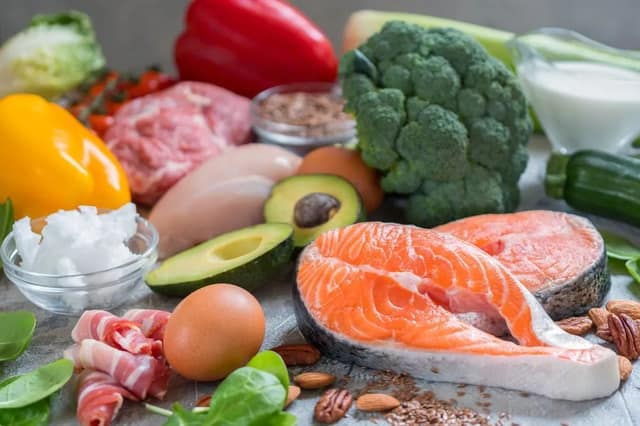
Foods to get pregnant: why diet really matters
The right foods to get pregnant can genuinely move the needle on fertility. Landmark research from Harvard’s Nurses’ Health Study, which tracked nearly 18,000 women over 8 years, showed that women who most closely followed a “fertility diet” pattern had a 66 percent lower risk of ovulatory infertility and a 27 percent lower risk of infertility from other causes. That is one of the largest dietary effects ever measured in reproductive medicine.
So before turning to medications or IVF, adjusting what you eat is a low-cost, side-effect-free first step. The Chavarro et al. Harvard study on diet and lifestyle in the prevention of ovulatory disorder infertility, published in Obstetrics & Gynecology, identified the specific foods to get pregnant that consistently improved outcomes. Below you will find the nine most powerful ones, plus a practical 2026 fertility meal plan you can start this week.
Both partners should pay attention. Nearly 50 percent of infertility cases involve a male factor, and diet affects sperm DNA, motility, count, and morphology just as powerfully as it affects female ovulation.
Ready to start your project?
Join +450,000 members who find their co-parent or sperm donor
Start free✓ Free ✓ No commitment ✓ Verified
1. Leafy greens and folate-rich vegetables
Leafy greens top every list of foods to get pregnant for one reason: folate. This B vitamin supports DNA synthesis, egg quality, and early neural tube formation. Women trying to conceive should aim for 400 to 800 mcg of folate daily, starting at least 3 months before conception.
The richest natural sources include:
- Spinach, kale, Swiss chard, and arugula
- Lentils (358 mcg per cup cooked)
- Asparagus and Brussels sprouts
- Avocado (about 90 mcg each)
- Black beans and chickpeas
Up to 60 percent of people have an MTHFR gene variant that reduces conversion of synthetic folic acid into its active form. Therefore, aim for food-based folate first, and consider a supplement with L-methylfolate if your doctor recommends one.
2. Whole grains and slow carbs
Not all carbs are equal when it comes to foods to get pregnant. Refined carbohydrates — white bread, pastries, sugary cereals, white rice — spike blood sugar and insulin. Chronic insulin spikes disrupt ovulation, particularly in women with PCOS.
Replace refined carbs with slow-digesting whole grains:
- Steel-cut oats and oat bran
- Quinoa, brown rice, and wild rice
- Whole-wheat pasta and bread
- Barley, buckwheat, and farro
The Harvard researchers found that replacing just 2 percent of calories from refined carbs with slow carbs could lower ovulatory infertility risk significantly. For women with polycystic ovary syndrome (PCOS), this swap is especially powerful.
3. Plant-based proteins
Among foods to get pregnant, plant proteins consistently outperform red meat in fertility studies. Women who got 5 percent of their calories from vegetable protein instead of animal protein had a 50 percent lower risk of ovulatory infertility in the Nurses’ Health Study.
Top plant protein sources include:
- Lentils and beans (15 to 18 g per cup)
- Chickpeas and edamame
- Tofu and tempeh
- Quinoa and nuts
- Seeds such as pumpkin, sunflower, and hemp
You do not need to go fully vegetarian. Simply swap one or two meat meals per week for plant-based alternatives.
4. Full-fat dairy (in moderation)
This is one of the most surprising findings in the research on foods to get pregnant. The Harvard team discovered that women who consumed at least one serving of full-fat dairy per day had a 27 percent lower risk of ovulatory infertility compared to women who consumed only low-fat dairy.
The reason appears to be the hormone-balancing effect of dairy fat on reproductive hormones. One or two daily servings of:
- Whole milk (not skim)
- Full-fat Greek yogurt
- Cottage cheese
- Small amounts of full-fat cheese
- Even a half cup of ice cream occasionally
After conception, most practitioners recommend switching back to low-fat dairy. This full-fat recommendation specifically applies to the preconception window.
5. Oily fish rich in omega-3
Omega-3 fatty acids improve ovulation, embryo quality, and sperm parameters. The ASRM Committee Opinion on optimizing natural fertility highlights the Mediterranean diet — rich in olive oil, fish, vegetables, and fruits — as consistently associated with higher pregnancy rates after IVF.
Aim for 2 servings per week of low-mercury oily fish:
- Wild salmon
- Sardines and anchovies
- Mackerel (Atlantic, not king)
- Trout and herring
Avoid high-mercury species such as swordfish, shark, king mackerel, and bigeye tuna. If you don’t eat fish, walnuts, chia seeds, flaxseeds, and algae-based DHA supplements are valuable additions to your list of foods to get pregnant.
6. Avocado, olive oil, and healthy fats
Healthy monounsaturated fats feature prominently in every science-based list of foods to get pregnant. Trans fats, on the other hand, are disastrous: women consuming just 2 percent of calories from trans fats had dramatically higher rates of ovulatory infertility.
Eat daily:
- Extra virgin olive oil (2 to 3 tablespoons)
- Avocado
- Nuts and nut butters (almonds, walnuts, Brazil nuts)
- Seeds
Avoid completely: margarine, fried fast food, packaged baked goods, microwave popcorn, and anything listing “partially hydrogenated oil” on the label.
7. Colorful fruits and berries
Antioxidant-rich fruits protect egg and sperm quality from oxidative stress, which is one of the leading causes of age-related fertility decline. Berries, citrus, and pomegranate rank among the most effective foods to get pregnant for this reason.
Top picks:
- Blueberries, raspberries, blackberries, strawberries
- Oranges, grapefruit, and clementines (also rich in folate)
- Kiwi (very high in vitamin C)
- Pomegranate seeds
- Red grapes
A Harvard study of couples undergoing IVF found that higher fruit intake was associated with higher implantation and live birth rates. Aim for 2 to 3 servings per day.
8. Nuts, seeds, and zinc-rich foods
Zinc is essential for sperm production, testosterone levels, and egg maturation. It consistently ranks among the most effective foods to get pregnant for men, in particular. Selenium, found abundantly in Brazil nuts, also protects sperm DNA integrity.
Great sources:
- Pumpkin seeds (2.2 mg zinc per ounce)
- Cashews and almonds
- Brazil nuts (68 mcg selenium in just 1 nut)
- Oysters (highest food source of zinc)
- Beef and poultry in moderation
Men should aim for 11 mg of zinc daily; women for 8 mg.
9. Water and fertility-friendly drinks
Hydration often gets forgotten when discussing foods to get pregnant, but it directly affects cervical mucus production, blood flow to the reproductive organs, and hormone transport. Drink at least 2 liters of water daily.
Other helpful drinks:
- Green tea (moderate: 1 to 2 cups, rich in antioxidants)
- Herbal teas (red raspberry leaf, nettle)
- Fresh vegetable juice
Limit caffeine to 200 mg/day (about one 12-oz coffee). Avoid alcohol entirely when actively trying to conceive, or at least cap consumption at 1 drink per day. Sugary sodas should be eliminated: multiple studies link them to lower fertility in both partners.
A sample fertility-boosting day
Here is how to structure a day around evidence-based foods to get pregnant:
| Meal | Example |
|---|---|
| Breakfast | Steel-cut oats with berries, walnuts, and a spoon of Greek yogurt |
| Snack | Apple with almond butter or a handful of Brazil nuts |
| Lunch | Quinoa bowl with chickpeas, spinach, avocado, and olive oil dressing |
| Snack | Full-fat Greek yogurt with pumpkin seeds and honey |
| Dinner | Baked wild salmon, roasted vegetables, and brown rice |
| Hydration | 2 liters of water, plus 1 cup of green tea |
This pattern aligns closely with the Mediterranean diet, which the ACOG Committee Opinion on prepregnancy counseling endorses as a foundation for optimal preconception health.
Foods to avoid when trying to conceive
Just as important as adding foods to get pregnant is eliminating fertility-killing foods. Cut these from your diet:
- Trans fats (margarine, fast food, packaged pastries)
- Refined sugars and sweetened beverages
- Processed meats (hot dogs, bacon, deli meat)
- High-mercury fish (swordfish, shark, king mackerel)
- Excessive caffeine (more than 200 mg daily)
- Alcohol (especially in the second half of the cycle)
Remember, sperm takes about 74 days to mature and egg follicles take around 90 days. Changes to your diet today will show their full effect roughly 3 months later.
Frequently asked questions about foods to get pregnant
How long before trying to conceive should I change my diet?
Ideally, start eating foods to get pregnant at least 3 months before you start trying. This matches the cycle of egg maturation and sperm production. Six months is even better if you have the luxury of planning ahead.
Should men follow the same fertility diet?
Yes, absolutely. The same foods to get pregnant benefit sperm quality: omega-3 fish, nuts, leafy greens, colorful fruits, and whole grains. Men should especially focus on zinc, selenium, vitamin C, and omega-3s to improve sperm count, motility, and DNA integrity.
Can supplements replace fertility foods?
No. Supplements complement a good diet but cannot replace it. Whole foods deliver fiber, phytonutrients, and nutrient combinations that isolated pills cannot replicate. The exception is folic acid, which the CDC and ACOG recommend supplementing at 400 to 800 mcg daily during preconception, on top of folate-rich foods to get pregnant.
Does a low-carb or keto diet help fertility?
Moderate carb reduction — eating slow carbs instead of refined ones — supports fertility. However, very low-carb or ketogenic diets have mixed evidence and can disrupt menstrual cycles in some women. The Mediterranean pattern, with moderate whole-grain carbs, consistently shows the best fertility outcomes.
How much weight should I lose before trying to conceive?
If your BMI is above 30, losing just 5 to 10 percent of your body weight can restore regular ovulation and significantly improve conception chances. Combine fertility-friendly foods to get pregnant with moderate exercise for best results. Avoid crash diets, which can actually worsen fertility.
Eating the right foods to get pregnant is a powerful, controllable first step in your family-building journey. However, nutrition is one piece of the puzzle. Whether you are trying to conceive naturally, considering donor conception, or exploring co-parenting, connecting with a supportive community makes the path easier. Create your free CoParents account today and join thousands of future parents on the same journey.