
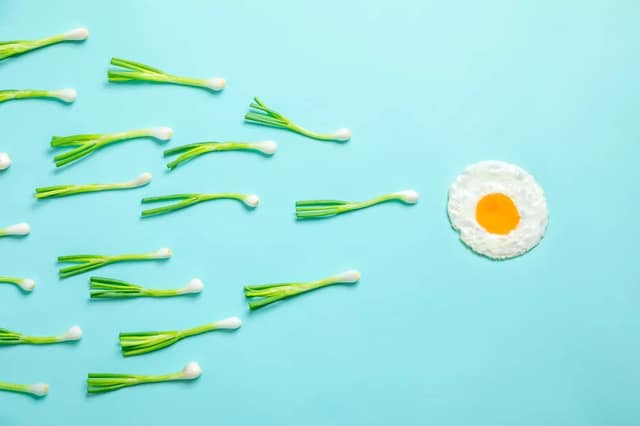
Eating the right sperm count foods can significantly improve your fertility by providing essential vitamins, minerals and antioxidants that support healthy sperm production. Whether you are trying to conceive with a partner or preparing to become a sperm donor, the nutrients you eat every day directly influence the number, motility and quality of your sperm cells.
Research published in Life Sciences confirms that dietary nutrients such as omega-3 fatty acids, zinc, selenium, vitamin C and vitamin E play a measurable role in male reproductive health. Below you will find a complete guide to the best sperm count foods, the science behind each nutrient, and practical lifestyle tips to help you maximise your fertility.
Why Do Sperm Count Foods Matter for Male Fertility?
Male factor infertility accounts for roughly 40–50% of all infertility cases worldwide. A normal sperm count is at least 15 million sperm per millilitre of semen, and anything below that threshold is considered low. The good news is that diet is one of the most accessible and effective ways to improve sperm production.
Ready to start your project?
Join +450,000 members who find their co-parent or sperm donor
Start free✓ Free ✓ No commitment ✓ Verified
A 2022 review in the International Journal of Molecular Sciences found that men following a Mediterranean-style diet rich in fruits, vegetables, fish and healthy fats had higher sperm numbers and better overall semen quality than men eating a typical Western diet high in processed foods and saturated fats. Including the right sperm count foods in your daily meals can support sperm membrane integrity, reduce oxidative damage and boost testosterone — all factors that directly affect how many healthy sperm your body produces.
Which Foods Are Rich in Omega-3 Fatty Acids?
Omega-3 fatty acids protect sperm from damage caused by free radicals and help maintain the structural integrity of the sperm cell membrane. Among all sperm count foods, oily fish stands out for its omega-3 concentration. Your body cannot produce omega-3 on its own, so eating the right foods is essential. A meta-analysis of randomised clinical trials found that omega-3 supplementation increased total sperm count by approximately 18.7 million sperm per millilitre and improved motility by over 7%.
The best dietary sources of omega-3 include oily fish such as salmon, sardines, mackerel, and tuna. Plant-based alternatives include walnuts, flaxseeds, chia seeds and soya milk. Dark leafy greens like spinach and kale also provide modest amounts of alpha-linolenic acid, a precursor to omega-3. Try to eat at least two portions of oily fish per week to get a meaningful intake of these essential fatty acids — they rank among the most impactful sperm count foods available.
How Does Zinc Help Improve Sperm Count?
Zinc is one of the most important minerals for male reproductive health. It supports testosterone production, plays a role in sperm motility and is essential for normal sperm development. A large systematic review published in Scientific Reports confirmed that infertile men have significantly lower seminal zinc levels than fertile men, and that zinc supplementation improved semen volume, motility and morphology.
Oysters are by far the richest food source of zinc, with a single serving providing well over the recommended daily intake. Other excellent sperm count foods high in zinc include crab, lobster, lamb, beef and pumpkin seeds. Spinach and fortified cereals also contribute useful amounts. Research suggests that 66–500 mg of zinc daily for 3–6 months can measurably improve sperm concentration and total motility.
What Role Does Vitamin E Play in Sperm Health?
Vitamin E is a powerful fat-soluble antioxidant that shields sperm cells from oxidative stress — one of the leading causes of poor semen quality. It protects the polyunsaturated fatty acids in the sperm membrane and improves motility, morphology and overall sperm count. Vitamin E supplements are often prescribed alongside selenium to couples undergoing IVF treatment, and one study of 690 infertile men found that daily selenium and vitamin E supplementation improved sperm motility in over half the participants.
Foods rich in vitamin E include trout, salmon, avocados, almonds, sunflower seeds, hazelnuts and dark leafy greens like Swiss chard. Broccoli, pumpkin and kiwi fruit are additional good sources. Adding a handful of almonds or sunflower seeds to your daily diet is one of the easiest ways to include more sperm count foods and increase your vitamin E intake naturally.
Can Vitamin C Boost Your Sperm Count?
Vitamin C is a water-soluble antioxidant that prevents sperm cells from clumping together — a condition known as agglutination that impairs their movement and reduces the chances of fertilisation. It also protects sperm DNA from oxidative damage and supports overall sperm quality. Men aged 44 and older who consumed higher amounts of vitamin C, vitamin E, zinc and folate through diet or supplements produced significantly less DNA-damaged sperm, according to research cited by the ASRM.
Excellent sperm count foods packed with vitamin C include bell peppers, broccoli, Brussels sprouts, kiwi fruit, oranges, strawberries and dark leafy greens. Tomatoes, peas, cauliflower and sweet potatoes round out the list. A single medium bell pepper contains more than 150% of your daily vitamin C requirement, making it one of the simplest additions to a fertility-friendly diet.
How Do B Vitamins Support Testosterone and Sperm Production?
Vitamins B5 (pantothenic acid) and B6 (pyridoxine) are involved in the production of testosterone, the primary hormone driving sperm production. Adequate testosterone levels are necessary not only for a healthy sperm count but also for maintaining normal libido and sexual function. Folate — vitamin B9 — is equally important: it supports DNA synthesis during spermatogenesis, the process by which new sperm cells are formed.
Good dietary sources of B5 and B6 include avocados, chickpeas, beans, liver, tuna, salmon and fortified cereals. Bananas, potatoes and poultry are also rich in B6. These everyday sperm count foods are easy to integrate into any meal plan. For folate, turn to dark leafy greens, asparagus, lentils and citrus fruits. A balanced, nutrient-rich diet covering these B vitamins supports the hormonal environment your body needs to produce healthy sperm.
Why Are Antioxidant-Rich Foods Essential for Sperm Count?
Oxidative stress is implicated in up to 30–80% of male infertility cases. Antioxidants neutralise the free radicals that damage sperm DNA, membranes and mitochondria. A comprehensive review in Life Sciences found that dietary antioxidants — including selenium, CoQ10, carnitines and polyphenols — improved sperm concentration, motility and morphology across multiple clinical trials.
Top antioxidant-rich foods for sperm health include spinach, asparagus (rich in folic acid), tomatoes (a leading source of lycopene), berries, grapefruit, dark chocolate and Brazil nuts (an excellent source of selenium). Colourful fruits and vegetables in general provide a broad spectrum of protective compounds and belong on any list of sperm count foods. Aim for at least five portions of fruits and vegetables per day and consider adding Brazil nuts — just two or three per day supply your entire recommended selenium intake.
What Lifestyle Changes Improve Sperm Count Alongside Diet?
Diet alone is not the whole picture. Making broader lifestyle changes can amplify the benefits of eating the right sperm count foods. Here are the most evidence-backed adjustments you can make:
Quit smoking. Tobacco use is associated with reduced sperm concentration, motility and morphology. It also exposes future children to second-hand smoke risks, including a higher likelihood of respiratory problems.
Maintain a healthy weight. Obesity disrupts the hormonal balance needed for normal sperm production. Even modest weight loss has been shown to increase sperm concentration and motility. Regular exercise — particularly outdoor activity — combined with the right sperm count foods can make a real difference.
Limit alcohol and caffeine. Consuming more than 20–25 units of alcohol per week is linked to poorer semen quality. High caffeine intake may also negatively affect fertility, so limit coffee to moderate levels.
Keep the testicles cool. Sperm production operates best at about 34.5 °C, slightly below normal body temperature. Avoid prolonged hot baths, tight underwear and resting a laptop directly on your lap.
Manage stress and sleep well. Chronic stress can suppress testosterone and halt sperm production. Aim for 7–9 hours of quality sleep per night, and consider relaxation techniques like meditation or regular exercise.
If you have been trying to conceive for more than a year without success, or six months if the female partner is over 35, consult a fertility specialist. A semen analysis can identify any underlying issues and guide the next steps — from dietary adjustments to treatments such as IUI or IVF.
Building a Family with the Right Support
Improving your diet with nutrient-dense sperm count foods is one of the most proactive steps you can take on the path to parenthood. Whether you are planning a family with a partner, exploring co-parenting or considering becoming a sperm donor, your reproductive health matters. CoParents.com — a co-parenting and sperm donation platform connecting over 150,000 users since 2008 — provides a supportive community for anyone looking for an alternative path to parenthood.
FAQ
What are the best foods to eat to increase sperm count naturally?
The best sperm count foods include oily fish like salmon and sardines for omega-3, oysters and pumpkin seeds for zinc, almonds and avocados for vitamin E, bell peppers and citrus fruits for vitamin C, and tomatoes for lycopene. A Mediterranean-style diet rich in fruits, vegetables, fish, nuts and whole grains is consistently associated with better semen quality.
How long does it take for diet changes to improve sperm count?
Sperm cells take approximately 64–72 days to develop fully, so most fertility specialists recommend eating sperm count foods consistently for at least three months before expecting measurable improvements. Clinical studies of zinc and selenium supplementation have shown significant results within 3–6 months.
Can supplements replace sperm count foods in my diet?
Supplements can help fill specific nutritional gaps, but they should not replace a balanced diet. Whole foods provide a complex mix of fibre, cofactors and phytochemicals that work together to support fertility. If you are considering supplements — such as zinc, selenium, CoQ10 or omega-3 — speak with your doctor first to determine the right dosage and avoid potential interactions.
Does being overweight affect sperm count?
Yes. Obesity is associated with hormonal imbalances — particularly lower testosterone and higher oestrogen — that reduce sperm production. Studies show that losing even a modest amount of weight while eating more sperm count foods can improve sperm concentration, motility and overall fertility.
Are there any foods that can damage sperm count?
Processed meats such as bacon, sausages and hot dogs are linked to lower sperm concentration and poorer morphology. Diets high in saturated fats, refined carbohydrates, sugary drinks and trans fats also negatively affect semen quality. Reducing these foods while increasing your intake of sperm count foods rich in antioxidants and healthy fats is one of the most effective dietary strategies for male fertility.