
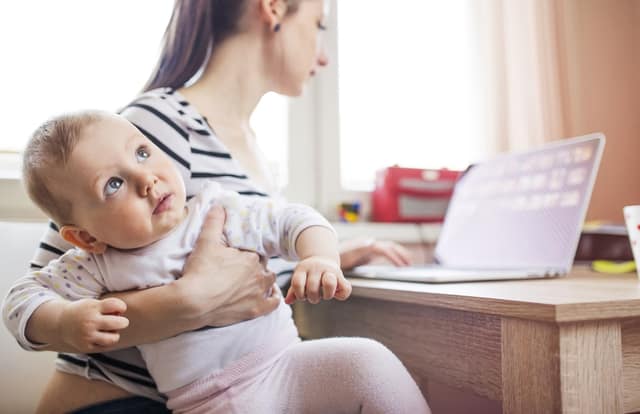
Maternity leave is the protected time off work that mothers take to recover from childbirth and care for their newborn — typically 6 to 12 weeks under federal law in the United States. The Family and Medical Leave Act (FMLA) guarantees up to 12 weeks of unpaid, job-protected leave for eligible employees.
Whether your maternity leave starts in three weeks or three days, the months ahead will feel both magical and overwhelming. With a little planning, you can turn this period into one of the most rewarding chapters of your life.
This guide explains your legal rights, how Statutory Maternity Pay works in 2026, and how to make the most of your time at home with your new baby.
Ready to start your project?
Join +450,000 members who find their co-parent or sperm donor
Start free✓ Free ✓ No commitment ✓ Verified
What Is Maternity Leave and How Long Does It Last?
Maternity leave gives new moms a protected period away from work to recover physically, bond with their baby, and adjust to life as a first-time mother. Duration depends on federal law, your state, your employer’s policy, and any short-term disability coverage you have.
Federal Maternity Leave Rights Under FMLA
According to the U.S. Department of Labor FMLA fact sheet on birth and bonding, eligible employees receive up to 12 workweeks of unpaid, job-protected leave in a 12-month period. To qualify, you must:
- Have worked for your employer for at least 12 months
- Have logged at least 1,250 hours in the 12 months before leave starts
- Work at a location with at least 50 employees within 75 miles
Your employer must maintain your group health insurance during the leave under the same terms as if you were still working. Upon return, you are entitled to your same job or a virtually identical position with equal pay and benefits.
State Paid Maternity Leave Programs in 2026
There is no federal paid maternity leave in the United States. However, 13 states plus Washington D.C. now offer paid family leave programs:
| State | Paid Leave Duration | Wage Replacement |
|---|---|---|
| California | Up to 8 weeks | Up to 90% |
| New York | Up to 12 weeks | 67% of average wages |
| New Jersey | Up to 12 weeks | Up to 85% |
| Massachusetts | Up to 12 weeks | Up to 80% |
| Washington | Up to 12 weeks | Up to 90% |
Other states with paid family leave include Connecticut, Oregon, Colorado, Maryland, Delaware, Minnesota, Maine, and Rhode Island. Check with your state labor department for specific eligibility and pay rates.
Preparing for Your Maternity Leave
The weeks before baby arrives are precious. Use them wisely — once labor begins, your priorities will shift completely.
Notify Your Employer Properly
Federal law requires you to give your employer at least 30 days advance notice when your leave is foreseeable. Submit a written request that includes your expected start date, your anticipated return date, and any plans for using accrued paid time off concurrently with FMLA.
Many employers ask for a doctor’s note confirming pregnancy and the expected delivery date. Check your company’s HR policy for specifics.
Pack Your Hospital Bag Early
Have your hospital bag ready by week 36. Include comfortable clothes, toiletries, your birth plan, phone chargers, snacks, and going-home outfits for both you and baby. Discuss the trip to the hospital with your birthing partner — knowing how you will get there at any time of day removes one major stressor.
Indulge in Some “Me” Time
The last few weeks of pregnancy are the calm before the storm. Schedule a prenatal massage, watch the shows you have been saving, take long bubble baths, and meet friends for slow lunches. Once baby arrives, alone time becomes rare.
Making the Most of Your Maternity Leave at Home
The first weeks at home with a newborn are a blur of feedings, diaper changes, and broken sleep. However, this period also offers irreplaceable bonding moments you will never get back.
Focus on Recovery First
According to the Office on Women’s Health recovery guide, the first 6 weeks postpartum are dedicated to physical healing. Vaginal bleeding (lochia) typically lasts 2 to 6 weeks, breasts feel tender as milk comes in around days 3-4, and pelvic floor weakness affects roughly 1 in 3 women.
Schedule your 6-week postpartum check-up before you leave the hospital — this is when serious recovery issues get spotted early. The CDC HEAR HER campaign warns mothers to seek immediate care if they experience heavy bleeding (soaking a pad in under an hour), fever above 100.4°F, severe headache with vision changes, chest pain, or thoughts of harming themselves or baby.
Bond Deeply With Your Baby
Skin-to-skin contact in the first hour after birth boosts breastfeeding success and regulates baby’s temperature, heart rate, and stress hormones. Talk to your baby, sing to them, read aloud — even when they seem too young to “understand”. Newborns recognize their mother’s voice from inside the womb and find it deeply soothing.
Join Local Parent Groups
Maternity leave can feel isolating, especially for women used to busy workplaces. Local groups offer adult conversation and social bonding for your baby. Look for:
- Mommy-and-me yoga or fitness classes
- La Leche League breastfeeding support meetings
- Stroller-walking groups in your neighborhood
- Library story-time sessions for infants
- Online communities for new parents
The CoParents community connects new and expecting parents navigating non-traditional family structures, including single mothers and co-parents.
Get Active Gradually
After your provider clears you for exercise (usually 6 weeks for vaginal birth, 8 weeks for cesarean), gradual movement boosts mood and physical recovery. Start with daily 20-minute walks pushing the stroller, plus pelvic floor exercises from day one. Hold off on high-impact exercise such as running until your core has healed.
Smart Ways to Enjoy Maternity Leave
Beyond recovery and bonding, your maternity leave offers unique opportunities you cannot easily replicate later.
Travel Off-Peak
Newborns are surprisingly easy travel companions — they sleep most of the day, do not need entertainment, and travel free or at reduced rates on most U.S. airlines until age 2. A long break is the perfect window for visiting family, taking a road trip, or even a quiet beach getaway. New parents often regret not traveling more during this flexible period.
Catch a Film
Many U.S. cinemas now offer parent-and-baby screenings (AMC’s “Sensory Friendly Films”, Regal’s “My Way Matinee”) with dimmed lights, lower volume, and changing facilities. These give you a rare chance to catch a recent release while bonding with other parents.
Ask for Help — and Accept It
You do not have to be Superwoman during maternity leave. Build a support network of family, friends, and neighbors before baby arrives. When someone offers to help, say yes. Specific requests work best: “Could you bring dinner Tuesday?” beats “Let me know if you need anything.” If you are struggling emotionally, contact your provider — baby blues and postpartum depression affect roughly 1 in 8 women and are highly treatable.
Returning to Work After Maternity Leave
The transition back to work after maternity leave is often emotionally complex. Plan ahead to ease the change.
Start with a phased return if your employer agrees: 2-3 days the first week, 3-4 the second, full schedule by week three. Tour your daycare or nanny setup with baby beforehand, and start short trial drop-offs to build comfort on both sides.
Federal law requires employers to provide reasonable break time and a private space (not a bathroom) for nursing mothers to pump for up to one year after birth, under the PUMP Act passed in 2022.
Frequently Asked Questions
How long is paid maternity leave in the United States?
There is no federally mandated paid maternity leave in the U.S. The FMLA provides up to 12 weeks of unpaid, job-protected leave. Paid options depend on your state, employer policy, or any short-term disability insurance you have.
Can I be fired during maternity leave?
No. Under FMLA, your employer cannot fire you for taking eligible maternity leave. The Pregnancy Discrimination Act and Title VII of the Civil Rights Act also prohibit firing or demoting employees because of pregnancy, childbirth, or related conditions.
When should I start my maternity leave?
Most women start maternity leave 1-2 weeks before their due date, though some work until labor begins. The choice depends on your job’s physical demands, pregnancy complications, and how much leave you have available afterward.
Can fathers and partners take leave too?
Yes. Fathers and partners qualify for FMLA parental leave (sometimes called paternity leave) under the same conditions as mothers — up to 12 weeks of unpaid, job-protected leave for bonding with a newborn or newly placed adopted child.
What happens if I am not eligible for FMLA?
If you do not meet FMLA eligibility, check your state laws (13 states plus D.C. offer paid family leave), your employer’s voluntary policies, and short-term disability insurance. The Pregnancy Discrimination Act still protects you from pregnancy-based firing regardless of FMLA status.
Take the Next Step
Your maternity leave is a one-of-a-kind chapter — challenging, exhausting, and unforgettable. Whether you are navigating it as a single mother, with a partner, or in a co-parenting arrangement, connection with others on the same path makes all the difference. Join the CoParents community to find a co-parent or build your support network and make the most of this special time.