
14 Effective Ways to Increase Sperm Count Naturally


If you are trying to conceive or considering becoming a sperm donor, knowing how to increase sperm count can make a real difference. Research shows that sperm counts in Western countries have dropped by nearly 60% since the 1970s, and the decline appears to be accelerating. Stress, poor sleep, environmental toxins, and sedentary lifestyles all play a role — but the encouraging news is that lifestyle changes, better nutrition, and targeted supplements can boost sperm count by 50% to 100% within 3 to 6 months, according to multiple clinical studies.
Sperm take approximately 74 days to fully mature, so any changes you make today will take about three months to show up on a semen analysis. Patience and consistency are key. Whether you are dealing with infertility or you want to donate sperm to help a single woman or a couple have a baby, here are 14 evidence-based ways to increase sperm count.
1. Exercise Regularly to Increase Sperm Count
Physical activity is one of the most effective ways to boost male fertility. Moderate exercise — around 150 minutes per week — improves hormonal balance, raises testosterone levels, and directly supports sperm production. Studies show that men who engage in regular aerobic exercise have significantly higher sperm concentration and motility than sedentary men.
Outdoor activities appear to be particularly beneficial. Baseball, tennis, running, and swimming are all excellent options. However, the intensity matters: moderate exercise is ideal, while extreme endurance training can actually suppress testosterone and hurt sperm quality. Aim for consistency rather than intensity.
2. But Don’t Cycle Too Much
Biking more than five hours a week may lower your sperm count. Prolonged cycling increases scrotal temperature and puts pressure on the perineum, both of which negatively affect sperm production. A 2023 cohort study found that limiting cycling and switching from tight briefs to loose boxer shorts reduced sperm DNA fragmentation by 20%. If you are trying to conceive or considering donating sperm, consider switching to another form of exercise temporarily.
3. Lose Weight
Being overweight or obese has a direct negative impact on fertility hormones, sperm concentration, motility, and volume. Research shows that every 5-point drop in BMI correlates with an 8% rise in testosterone and a 12% increase in sperm count. The optimal range for sperm production is a BMI between 20 and 25.
Losing even a few pounds can make a measurable difference. Don’t hesitate to consult your doctor or a nutritionist for a structured plan. Combining a healthy diet with regular exercise is the most effective approach. Paying a visit to a fertility-focused health professional can help you set realistic goals.
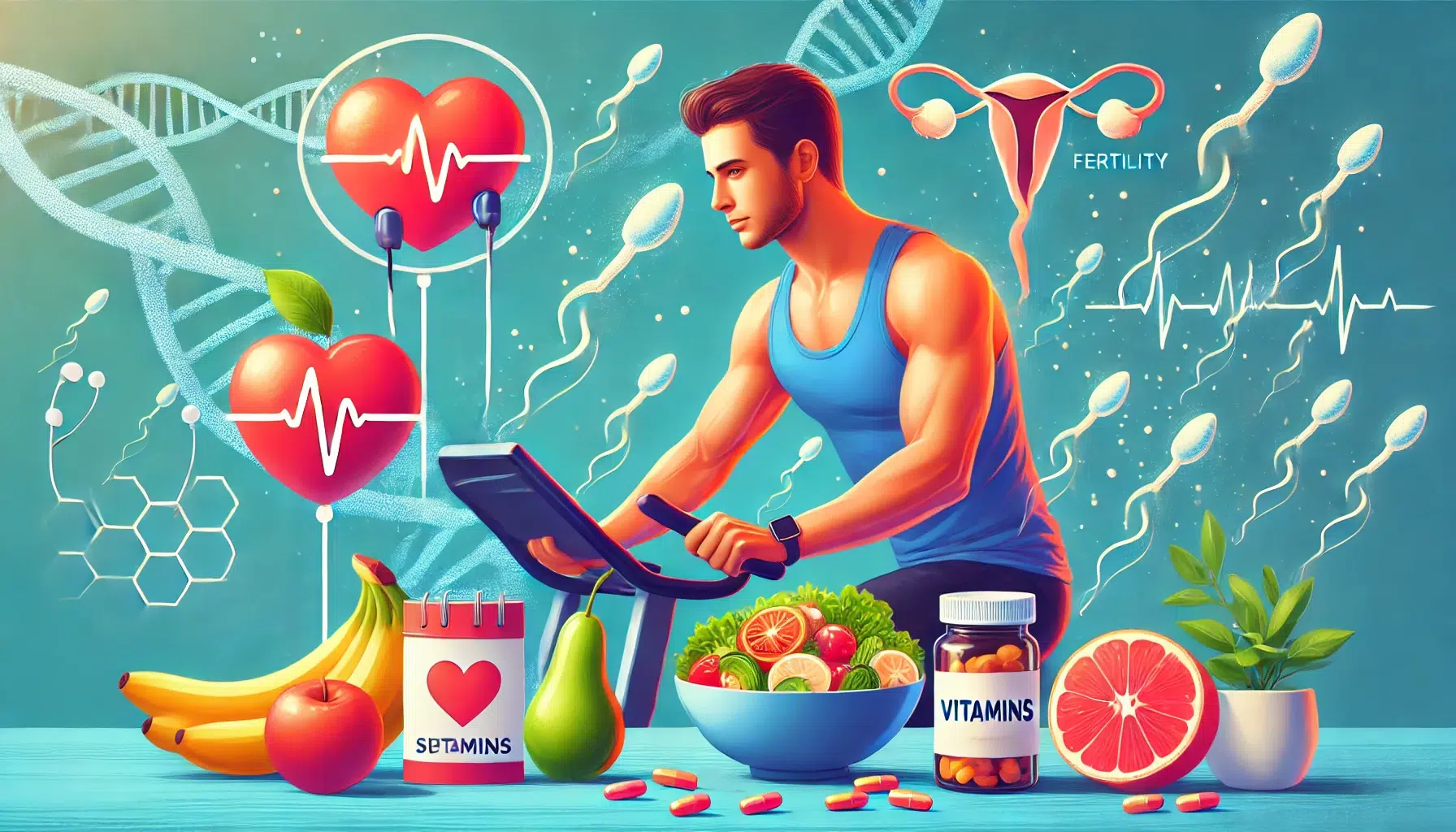
4. Keep Your Testicles Cool
Testicles need to be kept at an ideal temperature of about 34.5°C — roughly 2 to 3 degrees below normal body temperature (37°C). Heat exposure is one of the most well-documented factors that reduce sperm count. Frequent hot baths, saunas, tight underwear, tight jeans, and even placing a laptop directly on your lap can raise scrotal temperature and impair sperm production.
To keep your sperm healthy, switch to loose boxers, take cooler showers, and avoid prolonged exposure to heat sources. These simple changes can increase sperm count noticeably within one spermatogenesis cycle (about 74 days).
5. Manage Stress
Chronic stress directly suppresses male fertility. Prolonged stress raises cortisol levels, which in turn suppresses testosterone production and can slow or even halt sperm production entirely. A 2020 study confirmed that stress and burnout are associated with reduced sexual function and lower semen quality.
To reduce stress and help increase sperm count, consider regular exercise, meditation, deep breathing techniques, and ensuring you get 7 to 8 hours of quality sleep per night. Research shows that poor sleep reduces sperm count by up to 29%. Making sleep a priority is one of the simplest ways to support your fertility.
6. Quit Smoking
Smoking significantly reduces sperm count, motility, and morphology. Cigarette smoke decreases seminal antioxidant levels by approximately 30%, increases oxidative stress, and leads to sperm DNA damage. The good news: quitting smoking can increase sperm count by up to 50% within three months, as sperm production recovers once exposure stops.
Marijuana also impairs sperm quality. If you are trying to conceive or planning to donate sperm, eliminating all tobacco and cannabis use is one of the most impactful steps you can take. Consult your doctor about cessation strategies that work best for you.
7. Reduce or Stop Alcohol Consumption
Studies consistently show that drinking two or more alcoholic beverages per day impairs sperm production and quality. Excessive alcohol consumption lowers testosterone, increases estrogen conversion, and damages testicular cells. While moderate consumption (one drink per day or less) appears less harmful, most fertility experts recommend minimizing alcohol intake altogether when trying to increase sperm count.
If reducing your consumption is difficult, speak with your doctor. Even cutting back to occasional drinking can improve your semen parameters within a few months.
8. Avoid Certain Medications
Some common medications can reduce sperm concentration and quality. These include anti-inflammatories like ibuprofen, antihistamines, antipsychotics, corticosteroids, anabolic steroids, testosterone replacement therapy (TRT), methadone, and certain antibiotics. TRT is particularly problematic — it suppresses the body’s natural sperm production and can cause temporary azoospermia (zero sperm count) in some men.
Never stop a prescribed medication without consulting your doctor, but do have a conversation about fertility-friendly alternatives if you are trying to conceive or donate. In many cases, sperm production recovers after the medication is discontinued.
9. Avoid Endocrine Disruptors
Endocrine disruptors are synthetic chemicals that interfere with hormones including testosterone, estrogen, and thyroid hormones — all of which influence male fertility. These chemicals are found in an alarming number of everyday products: cosmetics (shampoo, deodorant, hair gel), pesticides, plastic bottles and containers, metal food cans lined with BPA, flame retardants, household cleaning products, and chemicals in textiles, vehicles, and electronics.
To reduce your exposure, choose chemical-free and natural products whenever possible. Avoid heating food in plastic containers, choose BPA-free bottles, opt for organic produce when you can, and ventilate your living space regularly. The World Health Organization has identified endocrine disruptors as a growing public health concern, particularly for reproductive health.
10. Increase Your Intake of Vitamins, Minerals, and Antioxidants
Oxidative stress is one of the leading causes of poor sperm quality, responsible for an estimated 30% to 80% of male infertility cases. Antioxidants neutralize harmful free radicals and protect sperm DNA from damage. Several vitamins and minerals have strong clinical evidence supporting their ability to increase sperm count.
Vitamin C is one of the most important antioxidants for sperm health. One study found that supplementing with 1,000 mg of vitamin C daily doubled sperm count in some participants while also improving sperm motility and reducing abnormal morphology.
Vitamin D deficiency is linked to lower testosterone and reduced pregnancy rates. Getting adequate sunlight or supplementing with approximately 4,000 IU per day can help support sperm production. A 2023 meta-analysis of five trials found modest improvements in motility and morphology with vitamin D supplementation.
Other key nutrients to include are zinc (shown to increase sperm count and testosterone levels — a combination of zinc and folic acid produced a 75% increase in normal sperm count in subfertile men), selenium, folate, calcium, vitamin E, L-carnitine, and coenzyme Q10. A 2025 analysis of nine randomized controlled trials found that CoQ10 supplementation increased sperm concentration by approximately 10 million sperm per milliliter in men with idiopathic infertility.
11. Eat These Foods to Increase Sperm Count
A healthy, balanced diet — particularly one following a Mediterranean-style pattern — plays a crucial role in boosting fertility. In addition to taking supplements, you can incorporate specific foods that are naturally rich in the nutrients, vitamins, and antioxidants that support sperm production.
Fertility-boosting foods include walnuts, peanuts, pumpkin and sunflower seeds, whole wheat, and whole grains. Fruits rich in antioxidants — such as cranberries, apricots, and bananas — are excellent choices. Vegetables like garlic, carrots, tomatoes (particularly rich in lycopene, a powerful antioxidant shown to improve sperm motility), broccoli, and leafy greens should feature regularly in your meals.
Fish such as salmon, cod, haddock, and shellfish (especially oysters, which are extremely high in zinc) also help increase sperm count. Choose vitamin D-enriched dairy products, and enjoy dark chocolate in moderation for its antioxidant properties. Eating a nutrient-dense diet is something every man can do to support fertility, whether you are trying to conceive at home or preparing to meet sperm donor requirements at a clinic.
12. Prioritize Healthy Fats Over Trans Fatty Acids
Not all fats are equal when it comes to sperm health. Polyunsaturated fats — particularly omega-3 fatty acids found in fish oil, flaxseed, and walnuts — are beneficial for sperm membrane fluidity, motility, and concentration. A 2018 meta-analysis of eight randomized controlled trials found that omega-3 supplementation increased total sperm motility by approximately 9% and concentration by about 2 million sperm per milliliter.
On the other hand, trans fatty acids (commonly found in processed foods, margarine, and fast food) are linked to lower sperm count and impaired sperm development. Replacing trans fats with omega-3-rich foods is a straightforward dietary change that can help improve sperm quality over time.
13. Limit Soy Consumption
Soy contains phytoestrogens — plant-based compounds that mimic estrogen in the body. High intake of soy products may reduce testosterone levels and, consequently, sperm production. While moderate soy consumption is likely harmless for most men, those actively trying to increase sperm count may want to limit soy-based foods temporarily.
Be aware that certain plastics and canned food linings also contain forms of synthetic estrogen (BPA and related chemicals) that can have similar hormonal effects. Opting for glass containers and BPA-free products is a simple protective step.
14. Consider These Supplements
Several natural supplements have shown promising results for male fertility in clinical trials:
Ashwagandha (KSM-66 extract) has gained significant attention. A 2024 double-blind randomized controlled trial found that 300 mg taken twice daily for eight weeks increased sperm count by 167%, semen volume by 26%, and normal morphology by 20% in men with low sperm counts. It works by reducing cortisol and oxidative stress.
Fenugreek is a plant whose seeds have traditionally been used to boost male reproductive health. Recent studies suggest it can improve both testosterone levels and sperm quality.
Maca root (Peruvian ginseng) has been shown to improve libido and sperm vitality, apparently working independently of hormone levels, making it a safe addition for most men.
Before starting any supplement regimen, get a baseline semen analysis and consult your doctor. Look for products with third-party testing certifications (NSF, USP, or Informed Sport). A common evidence-based starter combination recommended by fertility specialists is CoQ10 + L-carnitine + zinc, with vitamin D added if blood tests show deficiency. On CoParents.com, a co-parenting and sperm donation platform with over 150,000 users since 2008, we encourage all prospective donors to optimize their health before beginning the donation process.
Frequently Asked Questions
How long does it take to increase sperm count naturally?
Sperm take approximately 74 days to fully mature, so most lifestyle changes and supplements require at least 3 months of consistent effort before improvements appear on a semen analysis. Research shows that combining dietary changes, exercise, stress management, and targeted supplements can increase sperm count by 50% to 100% within this timeframe. Patience and consistency are essential — quick fixes do not exist for spermatogenesis.
What foods increase sperm count the fastest?
Foods rich in zinc (oysters, pumpkin seeds, red meat), antioxidants (tomatoes, berries, dark chocolate), omega-3 fatty acids (salmon, walnuts, flaxseed), and folate (leafy greens, lentils) are the most effective dietary choices to support sperm production. A Mediterranean-style diet — emphasizing whole grains, fish, fruits, vegetables, and healthy fats — is consistently associated with better semen parameters in clinical studies.
Which supplements have the best evidence for boosting sperm count?
The supplements with the strongest clinical evidence include CoQ10 (increases concentration by ~10 million/mL), zinc (boosts count and testosterone), L-carnitine (improves motility and concentration), vitamin C (can double count in some men), omega-3 fatty acids, and ashwagandha (167% increase in count in one RCT). However, supplements work best as part of a broader lifestyle approach — they cannot correct genetic or hormonal causes of infertility on their own. Always consult a healthcare professional before starting a supplement regimen to increase sperm count.
Does stress really affect sperm count?
Yes. Chronic stress raises cortisol levels, which directly suppresses testosterone production and can slow or halt sperm production. Poor sleep — often linked to stress — reduces sperm count by up to 29%. Managing stress through exercise, meditation, adequate sleep (7-8 hours), and relaxation techniques is one of the most impactful and cost-free ways to support male fertility.
Can quitting smoking really help increase sperm count?
Absolutely. Smoking reduces seminal antioxidant levels by about 30% and causes direct DNA damage to sperm. Studies show that quitting smoking can increase sperm count by up to 50% within three months as the reproductive system recovers. Eliminating cannabis use provides similar benefits. This is one of the single most effective changes a man can make to improve his fertility.


Responses