
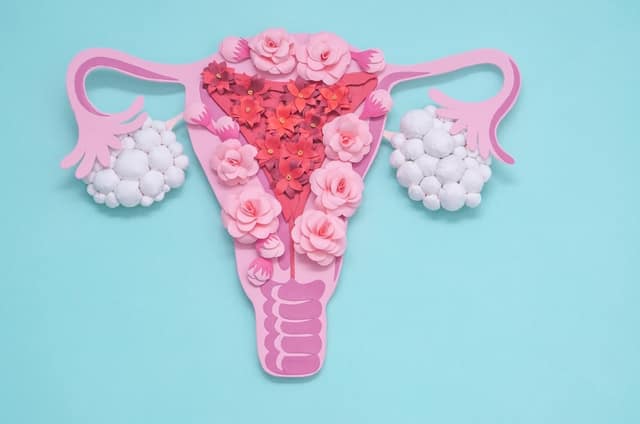
PCOS is the most common hormonal disorder in women of reproductive age, affecting between 5% and 15% of women worldwide depending on the diagnostic criteria used. PCOS is also the leading cause of ovulatory infertility — yet up to 70% of women who have it remain undiagnosed.
The good news: PCOS is highly manageable. With the right combination of lifestyle changes, medical treatment, and fertility support when needed, the vast majority of affected women can regulate their cycles, manage their symptoms, and conceive when they’re ready. Here’s what you need to know.
What is PCOS, exactly?
Polycystic ovary syndrome is a hormonal imbalance that disrupts normal ovarian function. Three features define PCOS: excess androgens (often called “male hormones”), irregular or absent ovulation, and polycystic ovarian morphology — small fluid-filled follicles visible on ultrasound.
Ready to start your project?
Join +450,000 members who find their co-parent or sperm donor
Start free✓ Free ✓ No commitment ✓ Verified
Despite the name, you don’t need to have ovarian cysts to receive a diagnosis. According to the American College of Obstetricians and Gynecologists, PCOS is identified when at least two of the three Rotterdam criteria are present, after ruling out other causes such as thyroid disorders or congenital adrenal hyperplasia.
The Rotterdam diagnostic criteria
| Criterion | What it means |
|---|---|
| Hyperandrogenism | Clinical signs (acne, hirsutism) or elevated androgen levels in blood tests |
| Ovulatory dysfunction | Irregular cycles (longer than 35 days) or absent ovulation |
| Polycystic ovarian morphology | 12 or more follicles per ovary, or ovarian volume above 10 cm³ on ultrasound |
How common is PCOS?
Prevalence depends on the criteria used. Under the stricter NIH criteria, PCOS affects 4–8% of women of reproductive age. Under the broader Rotterdam criteria, that figure rises to 15–20%, according to a comprehensive review published in Clinical Epidemiology by Sirmans and Pate.
In the United States, an estimated 5 million women live with PCOS. Worldwide, the World Health Organization estimates that up to 70% of cases remain undiagnosed, often because symptoms are attributed to other causes or dismissed as cosmetic concerns.
What are the main symptoms of PCOS?
Symptoms vary widely from one woman to another. Some women experience the full constellation; others have only one or two signs. The most common include:
- Irregular or absent periods — fewer than 8 cycles per year, or cycles longer than 35 days
- Excess hair growth (hirsutism) on the face, chest, abdomen, or back, present in up to 70% of affected women
- Acne or oily skin, often persisting beyond adolescence
- Hair thinning or male-pattern hair loss on the scalp
- Weight gain or difficulty losing weight, particularly around the abdomen
- Difficulty conceiving due to infrequent or absent ovulation
- Darkened skin patches (acanthosis nigricans), typically in skin folds
- Mood changes, including higher rates of anxiety and depression
PCOS symptoms often appear at puberty but can develop or intensify later, particularly after weight gain or coming off hormonal birth control.
What causes this hormonal disorder?
The exact cause of PCOS remains unknown, but research points to a combination of genetic, hormonal, and metabolic factors. Three mechanisms appear central.
Insulin resistance affects 50–70% of affected women, regardless of weight. When the body’s cells respond poorly to insulin, the pancreas produces more of it. Excess insulin then triggers the ovaries to produce more androgens, which disrupts ovulation.
Genetic predisposition plays a clear role. A first-degree relative with PCOS — mother, sister, or daughter — significantly raises your risk. Research on monozygotic twins shows much higher concordance rates than in dizygotic twins, confirming heritable factors.
Low-grade inflammation has also been identified in many patients and may contribute to androgen overproduction by the ovaries.
Why does PCOS cause fertility problems?
PCOS is the most common cause of anovulatory infertility. Approximately 90–95% of women who consult fertility clinics for anovulation have the condition. Infertility affects roughly 40% of those diagnosed.
The mechanism is straightforward: follicles begin to develop normally but stop maturing once they reach 4–8 mm in diameter. No dominant follicle emerges, ovulation does not occur, and pregnancy cannot follow. Spontaneous miscarriage rates are also higher, ranging from 42% to 73% in some studies.
However, fertility outcomes are encouraging. With appropriate treatment, the majority of affected women can conceive — either naturally after lifestyle changes, or with medical help. If you’re navigating fertility challenges and considering alternative paths to parenthood, the CoParents community connects people exploring co-parenting, sperm donation, and other family-building options.
How is PCOS treated?
There is no cure, but treatment is highly effective at managing symptoms and reducing long-term health risks. The right approach depends on your symptoms, your age, and whether you want to conceive.
Lifestyle changes: always the first step
For women with overweight or obesity, weight loss of just 5–10% can significantly improve PCOS symptoms — restoring ovulation, reducing androgen levels, and lowering diabetes risk. According to the U.S. Office on Women’s Health, even modest dietary improvements and regular physical activity produce measurable hormonal changes within weeks.
A diet emphasizing whole foods, lean protein, and low-glycemic carbohydrates is generally recommended. Resistance training combined with cardio is particularly effective at improving insulin sensitivity.
Medications for cycle and androgen control
- Combined oral contraceptives regulate menstrual cycles, reduce acne and hirsutism, and protect against endometrial hyperplasia.
- Spironolactone, an anti-androgen, helps reduce excess hair and acne, often combined with the pill.
- Metformin, originally a diabetes drug, improves insulin sensitivity and can restore ovulation in some women.
- Eflornithine cream slows facial hair growth.
Fertility treatments
For women trying to conceive, the standard PCOS treatment ladder is:
- Letrozole or clomiphene citrate to induce ovulation — first-line therapy with ovulation rates of 70–85% per cycle
- Gonadotropin injections if oral medications fail
- Laparoscopic ovarian drilling in selected cases
- In vitro fertilization (IVF) as third-line therapy when other approaches don’t succeed
The cumulative live birth rate with clomiphene over six cycles is 50–60%. With IVF, affected women achieve pregnancy and live-birth rates similar to women without the condition.
What are the long-term health risks of PCOS?
PCOS is more than a fertility issue. It is a lifelong metabolic condition that requires ongoing monitoring. Affected women have an elevated risk of:
- Type 2 diabetes — more than half develop diabetes or prediabetes by age 40
- High blood pressure and cardiovascular disease
- Endometrial cancer, due to chronic anovulation and unopposed estrogen exposure
- Sleep apnea, particularly with overweight
- Depression and anxiety, which occur 4 times more frequently than in unaffected women
- Non-alcoholic fatty liver disease
Regular check-ups should include blood pressure, fasting glucose or HbA1c, cholesterol panel, and mental health screening.
Frequently asked questions about PCOS
Can PCOS go away on its own?
No. PCOS is a chronic disorder, but symptoms can fluctuate significantly throughout life. Many women see improvements after weight loss, with hormonal contraception, or after menopause. However, the underlying metabolic risks — particularly for type 2 diabetes and cardiovascular disease — persist and require ongoing attention.
Can I get pregnant naturally with PCOS?
Yes, many women with PCOS conceive naturally, especially after lifestyle changes that restore ovulation. For those who don’t ovulate spontaneously, ovulation induction with letrozole or clomiphene is highly effective, with over 70% ovulating on these medications. The majority of affected women who want children eventually conceive, though some require medical assistance.
What’s the best diet for PCOS?
No single diet works for everyone, but evidence supports a low-glycemic, anti-inflammatory eating pattern: vegetables, lean protein, healthy fats, whole grains, and limited refined sugars. Mediterranean-style diets and lower-carbohydrate approaches have both shown benefits for insulin resistance and weight management.
Does PCOS affect pregnancy outcomes?
PCOS is associated with a higher risk of gestational diabetes, pregnancy-induced hypertension, preeclampsia, and preterm birth. Early prenatal care, glucose monitoring, and weight management before conception substantially reduce these risks. Most affected women have healthy pregnancies and healthy babies.
At what age does PCOS typically appear?
PCOS symptoms most often emerge during adolescence, around the start of menstruation, but the syndrome may not be diagnosed until a woman seeks help for irregular periods, acne, or infertility — often in her 20s or 30s. Earlier diagnosis allows better long-term management and preserves fertility options.
If you’re living with PCOS and exploring your path to parenthood, you don’t have to navigate it alone. Join the CoParents community to connect with future parents, share experiences, and explore co-parenting, sperm donation, and other family-building options that fit your story.