
Smart fertility preparation can change how your IVF cycle goes. About 5% of US couples dealing with infertility try in vitro fertilization, and average success per egg retrieval ranges from 47% under age 35 to under 11% at age 41. The cycle itself is intense — physically, hormonally, emotionally, and financially — and how well you prepare in the weeks before your first injection meaningfully affects both your results and your experience.
This guide walks through evidence-based fertility preparation for IVF: what to do, what to expect, and how to set yourself up for the best possible outcome whether you conceive on the first cycle or need several attempts.
Why Fertility Preparation Matters Before IVF
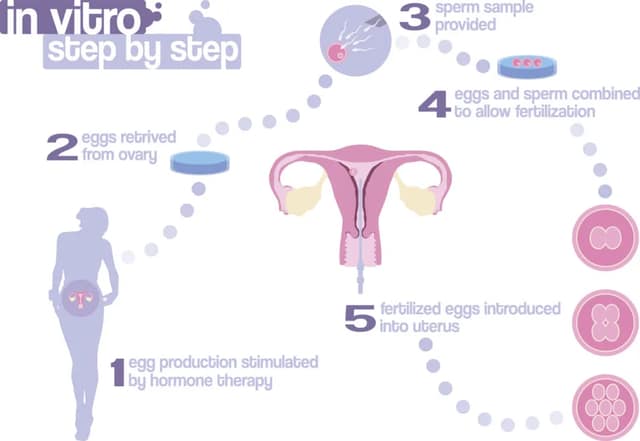
IVF is not a single appointment. According to Cleveland Clinic’s IVF treatment guide, a complete cycle takes four to six weeks from the start of medication to the pregnancy test. Within that window, your body undergoes ovarian stimulation, egg retrieval under sedation, fertilization in the lab, embryo development monitoring, and embryo transfer. Each stage has medical, emotional, and logistical demands.
Ready to start your project?
Join +450,000 members who find their co-parent or sperm donor
Start free✓ Free ✓ No commitment ✓ Verified
Good fertility preparation tackles all of those before you start. The patients who navigate IVF with the least stress are usually the ones who walked in informed, supported, and physically ready, not the ones who figured it out as they went.
Step 1: Get Educated and See Your Specialist
The single highest-leverage step in fertility preparation is a thorough consultation with a reproductive endocrinologist. Before booking, learn the basics — how IVF works, success rates by age, typical timelines, and realistic costs. Average IVF cycle cost in the United States is around $15,000, plus roughly $5,000 in medications, before insurance.
When you meet your specialist, bring written questions:
| Question | Why It Matters |
|---|---|
| What is your live birth rate for someone like me? | Clinic-level success rates vary widely; SART data is the benchmark |
| How many eggs do you typically retrieve per cycle? | Indicates protocol intensity and your projected outcome |
| How many embryos will be transferred? | Affects multiple-pregnancy risk |
| What medications will I take and what are the side effects? | Sets expectations for hormonal symptoms |
| What is the cancellation rate at this clinic? | Cycles can be cancelled mid-stimulation if response is poor |
| What are the OHSS prevention protocols? | Ovarian hyperstimulation syndrome is rare but serious |
Cleveland Clinic recommends that fertility preparation include a uterine cavity evaluation, semen analysis, ovarian reserve testing (AMH and antral follicle count), STI screening, genetic carrier screening, and an up-to-date Pap test. Your provider will also start you on folic acid at least three months before embryo transfer.
Step 2: Optimize Your Body for Fertility Preparation
According to ASRM guidance on optimizing natural fertility, several lifestyle factors directly affect IVF outcomes. The same advice supports IVF success.
Reach a Healthy Weight
A BMI between 19 and 25 supports the most regular ovulation and the best response to stimulation medication. Both underweight and overweight bodies struggle with IVF — egg quality drops and the medications work less predictably.
Stop Smoking and Limit Alcohol
Smoking damages eggs and sperm and roughly doubles the IVF cycles needed to conceive. ASRM identifies smoking, heavy alcohol use (more than 2 drinks per day), heavy caffeine, and recreational drugs like marijuana as all linked to reduced fertility. Stop smoking entirely and keep alcohol to occasional drinks during fertility preparation.
Eat for Egg Quality
The Harvard Nurses’ Health Study identified a “fertility diet” pattern linked to better ovulatory health: more plant protein, more whole-fat dairy, more iron from plant sources, fewer trans fats, and fewer ultra-processed foods. Mediterranean-style eating fits this pattern naturally. Add a quality prenatal vitamin with at least 400 mcg of folic acid.
Manage Stress
Stress does not directly cause infertility, but chronic high stress can disrupt ovulation in some women and makes IVF psychologically harder. Yoga, mindfulness apps, therapy, support groups, or just dedicated downtime all matter.
Step 3: Don’t Forget Your Partner’s Fertility Preparation
Roughly 40 to 50% of fertility issues involve a male factor. To support a successful cycle, your partner should also engage in the same prep. The basics include avoiding hot tubs and saunas, wearing loose underwear, eating antioxidant-rich foods, limiting alcohol, and stopping smoking. A semen analysis is part of standard pre-IVF testing — clinics use the result to choose between conventional fertilization and ICSI (intracytoplasmic sperm injection).
Step 4: Expect Fatigue and Plan Around It
Hormone medications during ovarian stimulation hit hard. Most patients report fatigue, bloating, breast tenderness, mood swings, and sometimes mild abdominal discomfort. Egg retrieval requires light sedation, and you should not drive for 24 hours after. Embryo transfer is simpler — comparable to a Pap smear — but you may still want to take it easy for a day.
Practical fertility preparation for fatigue:
- Block off your calendar from stimulation start through the pregnancy test (about 4 weeks). Decline non-essential commitments.
- Pre-cook or freeze meals so you do not have to think about dinner.
- Buy stretchy clothing one size up — bloating from ovarian stimulation is real.
- Stock the kitchen with healthy snacks (protein, complex carbs, and produce) so cravings do not derail your nutrition.
- Arrange for someone to drive you home after egg retrieval.
Step 5: Build Your Support System
You do not need to tell everyone about your fertility preparation, and there are good reasons not to broadcast it widely. IVF can fail. According to ACOG guidance on treating infertility, even in optimal candidates the live birth rate per egg retrieval is well below 50%, and many people need multiple cycles.
Pick two or three people who can hold confidential information well. Ideally:
- Your partner, fully briefed and equally invested.
- One close friend or family member for emotional support.
- One practical helper who can pick up groceries, drive you home, or cover small responsibilities.
- Consider connecting with people who have done IVF themselves — the empathy is qualitatively different.
Online communities and IVF-specific support groups exist for this reason. If you are doing IVF as a single mother by choice, fertility preparation includes building this network deliberately. Your specialist’s clinic may offer counseling, and reciprocal arrangements with other single moms by choice can help.
What Comes After Fertility Preparation: A Quick Cycle Walkthrough
| Phase | Duration | What to Expect |
|---|---|---|
| Birth control or estrogen priming | 2–4 weeks | Cycle synchronization, minimal symptoms |
| Ovarian stimulation injections | 8–14 days | Fatigue, bloating, mood changes; daily monitoring |
| Trigger shot + egg retrieval | 36 hours | Light sedation; 1-day recovery |
| Fertilization and embryo development | 5–6 days | Lab work; you wait at home |
| Embryo transfer | 10 minutes | No anesthesia; mild cramping possible |
| Two-week wait | 9–14 days | Hardest emotional phase; pregnancy blood test at end |
If you want to track your cycle and ovulation rhythms in the months leading up to IVF, a fertility monitor can help establish a clear baseline.
Frequently Asked Questions About Fertility Preparation
How long should fertility preparation take before starting IVF?
Most fertility specialists recommend at least three months of fertility preparation before your first cycle. This gives time for folic acid to build up, lifestyle changes (weight, smoking, alcohol) to take effect, and any underlying medical conditions to be controlled. Egg quality reflects the previous 90 days, so the work you do now affects the eggs retrieved in three months.
What supplements help with fertility preparation for IVF?
A standard prenatal vitamin with 400 to 800 mcg of folic acid is the foundation. Some specialists also recommend CoQ10 (200 to 600 mg daily for egg quality), vitamin D (if you are deficient), and omega-3 fatty acids. Avoid herbal supplements and high-dose antioxidant cocktails without your doctor’s approval — they can interfere with stimulation medications.
Can fertility preparation improve IVF success rates?
Yes, modestly but meaningfully. Reaching a healthy BMI, quitting smoking, optimizing chronic conditions like diabetes or thyroid disease, and starting folic acid all measurably improve IVF outcomes. None of these guarantee success, but they remove obstacles that would otherwise reduce your chances.
Should both partners do fertility preparation before IVF?
Absolutely. Sperm takes about 74 days to mature, so any lifestyle changes the male partner makes affect sperm quality roughly 2 to 3 months later. Quitting smoking, avoiding heat exposure, limiting alcohol, and eating well all improve sperm count, motility, and DNA integrity. For donor sperm cycles, this point applies to the donor’s pre-donation health, which is documented in the sperm bank file.
What if my first IVF cycle fails despite good fertility preparation?
Most clinics recommend waiting one full menstrual cycle (4 to 6 weeks) before starting another cycle for physical and emotional recovery. Use the pause to debrief with your specialist about what happened — protocol adjustments, additional testing, or changing fertilization technique often improves results in subsequent cycles.
Whether you are pursuing IVF with a partner, as a single mother by choice, or with a known sperm donor, thorough fertility preparation gives you the best foundation. If you are exploring co-parenting or looking for a sperm donor to start your family, join CoParents to connect with a community of more than 150,000 future parents and donors making informed family-building choices.