
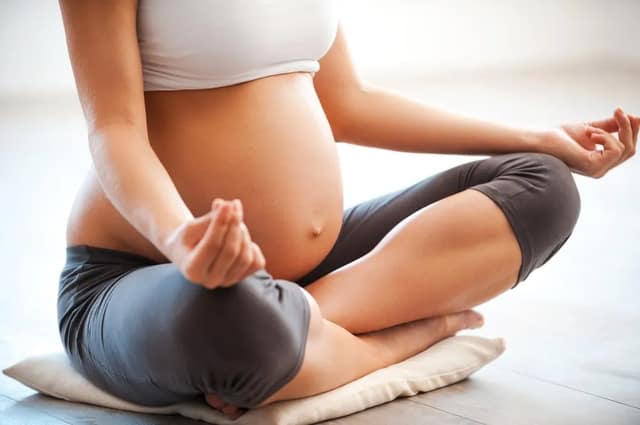
Pregnancy exercise is one of the safest and most effective ways to support a healthy pregnancy, ease labor, and recover faster after birth. The American College of Obstetricians and Gynecologists (ACOG) and the NHS both recommend at least 150 minutes of moderate activity per week for women with uncomplicated pregnancies. The benefits are well documented: better sleep, less back pain, lower stress, and a reduced risk of gestational diabetes and preeclampsia.
Staying active also strengthens the muscles you will rely on during labor and delivery. Whether you were a runner before conceiving or never set foot in a gym, there is a safe pregnancy exercise routine that fits your fitness level.
Is Pregnancy Exercise Safe for You and Your Baby?
For most women, the answer is yes. According to the NHS guidance on exercising in pregnancy, gentle activity is both safe and beneficial for mother and baby. However, you should consult your healthcare provider before starting any new routine, especially if you have a high-risk pregnancy or pre-existing condition.
Ready to start your project?
Join +450,000 members who find their co-parent or sperm donor
Start free✓ Free ✓ No commitment ✓ Verified
Stop immediately and seek advice if you experience pain, dizziness, vaginal bleeding, headaches, chest discomfort, or unusual swelling. A useful rule of thumb: you should be able to hold a conversation while exercising. If you cannot, slow down.
How Much Pregnancy Exercise Is Recommended?
Health authorities are remarkably consistent on this point. The UK Chief Medical Officers and the RCOG patient guidance on physical activity and pregnancy both recommend 150 minutes of moderate-intensity activity per week, spread across several sessions. Even 10-minute bouts count toward your weekly total.
| Fitness Level | Starting Point | Weekly Goal |
|---|---|---|
| Sedentary before pregnancy | 10 min/day, brisk walking | Build to 150 min/week |
| Moderately active | 20–30 min, 4 days/week | 150 min/week |
| Regular athlete | Continue current routine, modified | 150+ min/week |
7 Safe Pregnancy Exercise Options
1. Walking
Walking is the easiest pregnancy exercise to start. It puts minimal stress on your joints and ankles, requires no equipment, and can be done anywhere. Aim for 30 minutes of brisk walking most days. Wear supportive shoes and a well-fitted sports bra.
2. Swimming and Aquanatal Classes
Swimming is often the first activity healthcare providers suggest. The water supports up to 90% of your body weight, which protects your joints while giving you a full-body cardiovascular workout. According to the NCT review of exercise during pregnancy, swimming also eases swelling, sciatica, and first-trimester nausea. Many local pools offer specialist aquanatal classes with qualified instructors.
3. Prenatal Yoga
Yoga improves flexibility, reduces stress, and teaches breathing techniques you can use during labor. Choose prenatal classes specifically designed for pregnancy. Avoid Bikram (hot yoga) and any pose that requires you to lie flat on your back after 16 weeks.
4. Stationary Cycling
A regular bicycle becomes risky as your belly grows and your balance shifts. A stationary bike, however, is an excellent choice. It supports your weight, raises your heart rate, and tones your legs without the risk of falling.
5. Low-Impact Aerobics
Group classes designed for expectant mothers keep movements safe while building cardiovascular fitness. Tell every instructor you are pregnant before joining a new class.
6. Modified Strength Training
ACOG now actively encourages aerobic and strength-conditioning exercises throughout pregnancy. Use lighter weights with more repetitions. Skip exercises that involve lying flat on your back after 16 weeks, and avoid heavy lifting that strains your core.
7. Kegel and Pelvic Floor Exercises
Kegels strengthen the pelvic floor muscles that support your uterus, bladder, and bowels. Strong pelvic floor muscles help prevent urinary leakage during pregnancy and speed postpartum recovery. Health authorities recommend three sets of eight squeezes daily. You can do them anywhere, in any position, and they are a smart way to prepare for labor and delivery alongside your due date countdown.
Pregnancy Exercise to Avoid
Some activities carry too much risk during pregnancy. Steer clear of:
- Contact sports: rugby, soccer, basketball, martial arts, boxing
- Fall-risk activities: horseback riding, downhill skiing, gymnastics, surfing, mountain biking
- Scuba diving: your baby has no protection against decompression sickness
- High-altitude exercise above 2,500 meters: unless you already live at that elevation
- Hot yoga or hot Pilates: overheating can harm fetal development
- Lying flat on your back after 16 weeks: the uterus presses on a major vein
Tips to Make Pregnancy Exercise Safer
Hydrate well before, during, and after every session. Wear loose, breathable clothing and avoid exercising in hot or humid conditions. Always warm up and cool down. Listen to your body: pregnancy hormones loosen ligaments, so overstretching is easier than usual. Health insurance often covers prenatal classes, so check what your maternity coverage includes before paying out of pocket.
If you are looking for community support and reliable information as you plan your family, CoParents connects future parents and provides resources on every stage of the journey, from conception to having a baby alone or with a partner.
Frequently Asked Questions
What is the best pregnancy exercise for beginners?
Walking is the best pregnancy exercise for beginners. It is free, low-impact, and easy to fit into daily life. Start with 10 minutes a day and gradually build up to 30 minutes most days of the week.
Can I keep running while pregnant?
If you were already running before pregnancy, you can usually continue as long as you feel comfortable. Slow your pace, shorten your sessions, stay hydrated, and stop if you experience pain or dizziness. Beginners should not start a new running program during pregnancy.
How soon should I start pregnancy exercise?
You can start in the first trimester if your healthcare provider approves. Many women begin a structured pregnancy exercise program once morning sickness eases, usually around weeks 12–14, but gentle walking and Kegels are safe from day one.
Can exercise cause miscarriage?
Moderate physical activity does not cause miscarriage in healthy pregnancies. Research consistently shows that exercise reduces the risk of complications such as gestational diabetes and preeclampsia. Always check with your doctor if you have specific risk factors.
How do I know if I am exercising too hard?
The talk test is the simplest measure: if you cannot speak in full sentences while moving, slow down. Other warning signs include extreme fatigue, dizziness, breathlessness at rest, and any pain. Stop and rest if any of these occur.
Becoming a parent is a journey best shared. Whether you are a single woman exploring sperm donation, a same-sex couple, or anyone seeking a co-parent, join CoParents to connect with a community of future parents who understand exactly where you are in life. Build your family on your terms, with people who share your vision.