
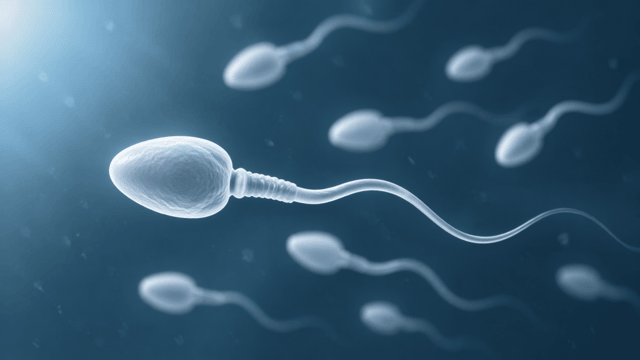
Healthy sperm means sperm with the right count, motility, and shape to fertilize an egg — typically at least 15 million per milliliter, 40% motility, and 4% normal morphology per World Health Organization standards. Good news for men trying to conceive: your lifestyle has a huge impact on sperm quality, and most issues can be improved within 3 months.
Fertility can be affected by many factors, but many men will be thrilled to hear that a moderate drink and a good steak could actually support their ability to get a partner pregnant. At the 70th Annual Meeting of the American Society for Reproductive Medicine, researchers reported on what men need to be doing — and avoiding — to get their sperm really moving. So the question stands: healthy sperm = alcohol + meat?
Let’s break down what science actually says.
Ready to start your project?
Join +450,000 members who find their co-parent or sperm donor
Start free✓ Free ✓ No commitment ✓ Verified
What Is Considered Healthy Sperm?
Healthy sperm is measured through a semen analysis, the cornerstone of male fertility evaluation. According to NCBI StatPearls reference guidelines, the World Health Organization defines the 5th-percentile lower reference limits for healthy sperm as:
| Parameter | WHO Lower Reference Limit | What It Means |
|---|---|---|
| Semen volume | ≥1.5 mL | Enough fluid to carry sperm |
| Sperm concentration | ≥15 million/mL | Density per milliliter |
| Total sperm count | ≥39 million per ejaculate | Total number in the sample |
| Total motility | ≥40% | Percentage of moving sperm |
| Progressive motility | ≥32% | Sperm actively swimming forward |
| Morphology (normal forms) | ≥4% | Percentage with proper shape |
| Vitality | ≥58% | Percentage of live sperm |
| pH | ≥7.2 | Chemical balance of semen |
Values below these thresholds may indicate fertility issues. Male factor contributes to roughly 30% of infertility cases and plays a role in about half of all cases overall. If you’re considering donor sperm options, sperm banks use these same WHO thresholds and typically require values well above the minimums.
How Long Does It Take to Improve Healthy Sperm?
Sperm production follows a full cycle of about 74 days. That means any lifestyle changes you make today won’t show up in a semen analysis for at least 3 months. Cleveland Clinic urologist Dr. Raevti Bole confirms this in Cleveland Clinic guidance on male fertility: “It usually takes at least three months — the lifecycle of sperm — to see results.”
The good news: this also means you can meaningfully improve your fertility in a single season if you commit to the right changes.
Alcohol Is In (Moderately) — Coffee Is Out
Based on research presented at the ASRM meeting and drawn from survey data of several hundred men seeking fertility treatment, moderate drinking correlated with better sexual function, while caffeine proved detrimental. The average age of the men studied was 35. About three-quarters were regular drinkers, and these men reported better sexual function than those who never drank.
But there’s a critical caveat on alcohol: more recent Cleveland Clinic data shows that excessive alcohol consumption — defined as more than seven drinks per week — reduces semen production and sperm quality. Moderate means moderate.
As for caffeine, another study on men undergoing IVF found that men with the highest caffeine consumption were only half as likely to have a successful IVF pregnancy compared to those with the lowest consumption. Caffeine may fuel your morning, but it’s not doing your sperm any favors.
The bottom line: 1–2 drinks a few times a week is likely fine. Heavy drinking is not. Keep caffeine under 200 mg daily (roughly 1–2 cups of coffee) if conception is the goal.
Go Ahead and Have a Steak (In Moderation)
Another ASRM-presented study investigated diet and male fertility by analyzing semen from over 400 non-vegetarians, 26 vegetarians, and 4 vegans. Sperm concentration in vegetarian and vegan men was significantly lower than in regular meat-eaters. Sperm motility — the ability to swim — was also better for meat-eaters.
That said, the vegetarian and vegan men still fell within the fertile range. Their sperm quality was simply not as high.
The nuance matters: Cleveland Clinic research backs the Mediterranean diet as the best-documented dietary pattern for healthy sperm. This means plenty of leafy greens, fatty fish high in omega-3, olive oil, nuts, and moderate amounts of quality lean protein — including red meat if you enjoy it. The villain isn’t plant food; it’s ultra-processed foods, excess sugar, and high saturated-fat intake.
7 Lifestyle Factors That Affect Healthy Sperm
Beyond diet and drinks, multiple lifestyle factors influence male fertility. Here’s what the science says.
1. Maintain a Healthy Weight
Obesity significantly impacts sperm count, motility, and testosterone levels. Cleveland Clinic cites research showing that every 20 pounds of excess weight increases infertility risk by roughly 10%. Combining a balanced diet with regular exercise supports both weight management and sperm production.
2. Get 7–8 Hours of Sleep
Sleep is more important than most men realize. Studies cited by Cleveland Clinic show that men sleeping fewer than 6 hours per night reduce their chances of successful conception by more than 40%. Too much sleep (over 9 hours) is also associated with poorer sperm health. The sweet spot is 7 to 8 hours nightly.
3. Manage Stress
Chronic stress disrupts hormone balance, particularly testosterone and cortisol, which directly affects sperm production. Breathing exercises, yoga, guided imagery, and regular physical activity all help moderate the stress response.
4. Don’t Smoke
Tobacco lowers sperm count and damages DNA within sperm cells — potentially affecting the genetic material passed to a future child. Cleveland Clinic also cautions against smoking marijuana when trying to conceive. Any extra chemicals in the body during spermatogenesis can reduce sperm quality.
5. Keep the Temperature Down
Sperm production requires testicles to stay roughly 2°C below body temperature. Heat stress from hot tubs, saunas, and laptops placed directly on the lap can reduce sperm production. Avoid prolonged heat exposure when trying to conceive.
One myth busted by Dr. Bole: boxers vs. briefs makes no real difference. Wear what’s comfortable.
6. Limit Exposure to Environmental Toxins
Plastics containing BPA, non-stick cookware chemicals, and certain pesticides can act as endocrine disruptors that interfere with hormonal signaling. Simple steps:
– Use glass, metal, or ceramic food containers
– Replace old degrading plastic containers
– Keep plastic water bottles out of heat and sunlight
– Wash produce thoroughly or choose organic when possible
7. Exercise — But Not Too Much
Moderate exercise improves circulation, reduces stress, and supports hormonal balance. But excessive exercise — think ultra-marathon training or heavy cycling over long hours — can lower testosterone and sperm count. Aim for 30–60 minutes of moderate activity most days.
Sperm Health: Foods That Support vs. Hurt Fertility
| Foods That Support Healthy Sperm | Foods and Habits to Limit |
|---|---|
| Leafy greens (spinach, kale, arugula) | Ultra-processed foods |
| Fatty fish (salmon, sardines, mackerel) | Sugary drinks and pastries |
| Berries and citrus fruits | Excess saturated fat |
| Nuts (especially walnuts and almonds) | More than 7 alcoholic drinks/week |
| Whole grains | More than 200 mg caffeine/day |
| Lean meat and eggs | Tobacco and marijuana |
| Olive oil and avocados | Anabolic steroids and testosterone supplements |
| Multivitamins to cover gaps | Heated plastic containers |
Why Testosterone Supplements Backfire
One critical warning: do not take testosterone supplements thinking they boost fertility. Cleveland Clinic is explicit on this. Taking testosterone actually suppresses natural sperm production and drives sperm count dramatically down. If you’ve been using testosterone therapy and want to conceive, talk to a reproductive urologist about safely stopping it.
When to See a Doctor About Sperm Health
Roughly 15% of couples have difficulty conceiving. If you and your partner have been trying without success, consider a fertility evaluation:
– After 12 months of trying if both partners are under 35
– After 6 months if the female partner is 35 or older
– Immediately if you have known risk factors — previous testicular injury, varicocele, cancer treatment history, or genetic conditions
A basic workup includes a semen analysis — usually repeated twice, several weeks apart — along with a physical exam and hormone blood tests. Don’t wait longer than needed. The earlier you start, the more treatment options you’ll have. If sperm issues persist, you may also want to explore the sperm bank process as a backup path to parenthood.
Frequently Asked Questions About Healthy Sperm
How can I get healthy sperm fast?
There’s no instant fix — sperm production takes about 3 months. But you can optimize the process by adopting a Mediterranean-style diet, sleeping 7–8 hours per night, managing stress, stopping tobacco and marijuana, limiting alcohol to under 7 drinks per week, keeping caffeine under 200 mg daily, and avoiding scrotal heat. Most men see measurable improvement in sperm analysis after 90 days of consistent changes.
What foods produce healthy sperm?
A Mediterranean-style diet shows the strongest evidence for supporting healthy sperm. Focus on leafy greens, fatty fish rich in omega-3, berries, nuts (especially walnuts), whole grains, lean protein, and olive oil. Research presented at ASRM found that meat-eaters had higher sperm concentration and motility than vegetarians, though vegetarian diets can still support fertility when well-balanced and rich in antioxidants.
Does masturbation affect sperm quality?
Moderate masturbation does not harm sperm quality. In fact, regular ejaculation (every 2–3 days) helps keep sperm fresh and may improve motility. Abstaining for more than 5–7 days before a semen analysis or IVF can actually reduce sperm quality, as older sperm accumulate DNA damage.
Can stress really lower sperm count?
Yes. Chronic stress raises cortisol and disrupts the hypothalamic-pituitary-gonadal axis that regulates testosterone and sperm production. Cleveland Clinic research confirms that stressful periods noticeably affect sperm count. Stress reduction techniques — exercise, meditation, adequate sleep, and therapy when needed — are a legitimate fertility intervention.
At what age do men produce the healthiest sperm?
Men produce sperm throughout most of their lives, but quality peaks in the 20s and early 30s. After 40–45, sperm motility, morphology, and DNA integrity begin to decline. Paternal age over 45 is associated with slightly higher miscarriage rates and minor increases in some developmental risks for children — though most men can still father healthy children into their 50s and beyond.
Are boxers better than briefs for healthy sperm?
No — the difference is negligible. Cleveland Clinic research finds that the boxer-vs-briefs debate has minimal real-world impact on sperm health. What matters much more is avoiding prolonged heat exposure from hot tubs, saunas, heated seats, and laptops on the lap.
Does caffeine really hurt sperm?
Excessive caffeine intake does appear to reduce sperm quality and IVF success. ASRM-presented research showed men with the highest caffeine consumption were half as likely to achieve a successful IVF pregnancy compared to those with the lowest. Keeping caffeine under 200 mg daily (1–2 cups of coffee) is a safe limit when trying to conceive.
Start Your Fertility Journey on the Right Foot
Healthy sperm is within reach for most men who commit to a few focused lifestyle changes over 3 months. Balanced nutrition, enough sleep, stress management, moderate alcohol, minimal caffeine, no smoking, and avoiding heat exposure will substantially improve your chances of conceiving naturally.
Ready to start or grow your family? Join CoParents.com to find a co-parent or connect with others on the fertility journey. Supporting prospective parents worldwide since 2008, we help you take the next step with confidence.