
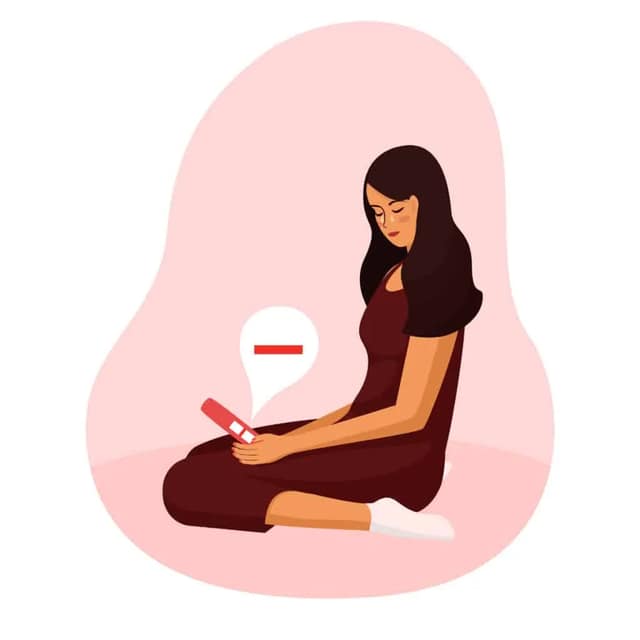
Stress and fertility share a complex, two-way relationship: stress can disrupt the hormones needed to conceive, and trying to conceive is itself a major source of stress. Research suggests stress may be a factor in up to 30% of all infertility cases, although it rarely acts alone.
In the United States, the CDC reports that 1 in 5 married women aged 15 to 49 with no prior births can’t conceive after a year of trying. When biological tests come back normal, the link between stress and fertility becomes a serious avenue worth exploring.
How stress and fertility are biologically linked
Stress disturbs the hypothalamus, the brain region that controls the pituitary gland and regulates reproductive hormones. When chronic stress disrupts its signaling, ovulation can be delayed, irregular, or absent — a condition known as anovulation. The CDC specifically lists functional hypothalamic amenorrhea, often triggered by stress, weight loss, or excessive exercise, as a recognized cause of female infertility.
Ready to start your project?
Join +450,000 members who find their co-parent or sperm donor
Start free✓ Free ✓ No commitment ✓ Verified
Stress also raises cortisol, the body’s main stress hormone. A 2023 systematic review published on PubMed Central found that infertile patients often show elevated cortisol levels compared to fertile controls. Elevated cortisol can suppress luteinizing hormone (LH) and follicle-stimulating hormone (FSH), both essential for ovulation and sperm production.
In men, prolonged stress is associated with reduced testosterone, lower sperm count and weaker motility. The connection between stress and fertility is therefore not a myth but a measurable physiological process.
The everyday effects of stress on conception
The way we react to stress is often more damaging than the emotion itself. Under pressure, many people drift into habits that further reduce their chance of conceiving:
- Emotional eating — junk food, comfort food, skipped meals.
- Sleep deprivation, which disrupts the menstrual cycle and lowers sperm quality.
- Smoking, or returning to smoking.
- Drinking too much alcohol or caffeine.
- Loss of interest in sex.
Each habit independently affects fertility. Combined, they multiply the impact on the stress and fertility cycle. Understanding how babies are made and your fertile window is the first step toward optimizing your chances naturally.
How emotional eating disrupts the stress and fertility balance
When stressed, people typically eat much less or much more. Both extremes affect conception: a BMI under 19 or above 30 can disrupt ovulation in women and damage sperm health in men. Women with an unhealthy BMI take longer to conceive and have lower IVF success rates.
If you’re trying to conceive, both partners should aim for a balanced diet rich in whole foods, lean proteins, fruits and vegetables. Avoid ultra-processed foods, excess sugar and trans fats. Limit caffeine to 200 mg per day. Tracking your ovulation menstrual cycle alongside healthy eating boosts your chances of conception.
What the science says about stress and fertility
A nuance is essential: according to the NICHD (National Institutes of Health), idiopathic or unexplained infertility accounts for about 30% of female cases and 50% of male cases — meaning stress is rarely the sole cause. Many couples conceive while under significant stress.
That said, reducing stress improves quality of life, sleep, hormonal balance and relationships — all of which support fertility indirectly. The emotional aspects of conception matter as much as the medical ones.
How to break the stress and fertility cycle
Several proven strategies help calm the nervous system, lower cortisol and restore hormonal balance.
Learn to relax
Acupuncture, yoga, meditation, walking and creative hobbies such as painting or singing can be deeply restorative. Try several methods until something fits. Mindfulness apps and 10-minute daily breathing exercises are accessible to everyone.
Talk to your partner
A problem shared is a problem halved. Your partner may also be silently stressed about becoming a parent. Open communication strengthens the relationship.
Get external support
If you’re considering parenthood as a single woman or through co-parenting, external support is even more crucial. Talk to people you trust, your primary care provider, or a licensed therapist. Many US fertility clinics now offer specialist mental-health counseling, and organizations like RESOLVE: The National Infertility Association provide peer support groups.
Adopt fertility-supporting habits
Aim for 7–8 hours of sleep, 30 minutes of moderate exercise five days a week, and a Mediterranean-style diet. These habits lower cortisol naturally and improve egg and sperm quality over a 90-day cycle.
Frequently asked questions about stress and fertility
Can stress alone cause infertility?
No. Stress and fertility issues are linked, but stress rarely acts alone. It usually combines with biological factors such as low sperm count, PCOS or hormonal imbalances. Reducing stress can however improve overall reproductive function.
How long does stress reduction take to improve fertility?
Sperm cells take roughly 72 days to mature, and ovulation cycles span 28 days. Most specialists recommend at least 3 months of consistent habits before measurable improvements appear in the stress and fertility relationship.
Does stress affect IVF success rates?
According to current research, evidence does not consistently show that higher-stress patients have lower IVF success rates. However, lower stress improves wellbeing and adherence to treatment protocols.
What’s the link between cortisol and fertility?
Cortisol is the main stress hormone. Chronically elevated cortisol can suppress LH, FSH and reproductive hormones in both men and women, delaying ovulation and reducing sperm production.
When should I see a doctor about stress and fertility concerns?
If you’ve been trying to conceive for 12 months without success — or 6 months if the female partner is over 35 — see a reproductive endocrinologist. They can rule out biological causes and recommend treatment options such as IUI, IVF or donor sperm if needed.
Whether you’re exploring co-parenting, looking for a known sperm donor, or seeking a community that understands the emotional side of conception, CoParents.com connects over 150,000 members navigating stress and fertility challenges since 2008. Create your free profile today.